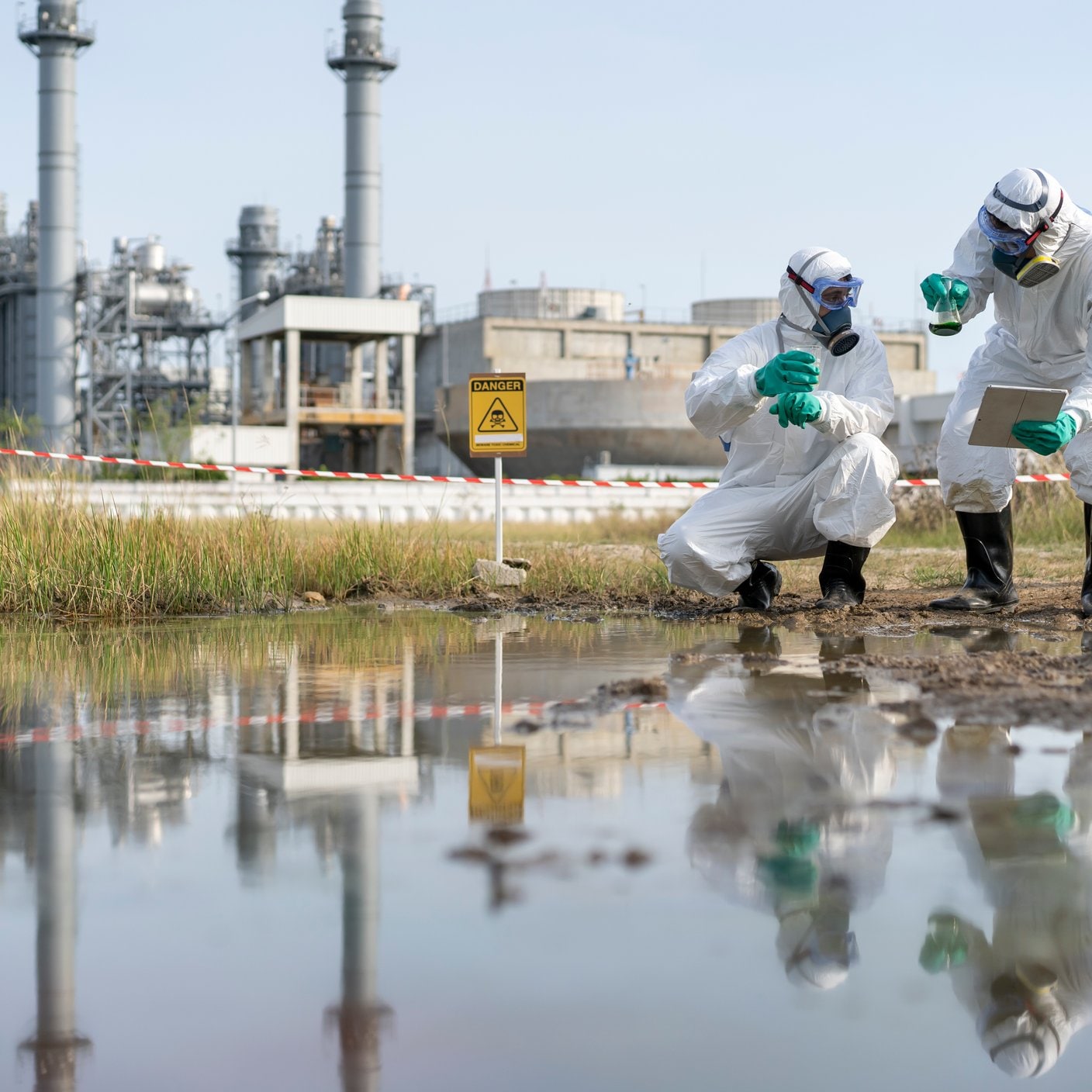
Personal protective equipment (PPE) is designed to protect people from workplace hazards. But that protection depends on one critical factor - whether the PPE actually fits the person wearing it.
For many years, the PPE on offer has been for an assumed ‘average’ worker. But today’s workforce is diverse, with people of different body shapes, sizes, genders, ages, abilities and needs. When PPE is not suitable for the individual using it, the consequences can range from discomfort and loss of confidence to increased safety risks, and workers adapting, removing or avoiding equipment altogether.
Perhaps a member of your team has told you their gloves are too loose, their protective clothing restricts their movement, or their eye protection does not sit correctly. These may seem like minor issues, but poorly fitting PPE is a genuine workplace safety concern.
For employers and those responsible for workplace safety, the job doesn’t finish once PPE has been provided. You must ensure that the PPE provided is appropriate, effective and suitable for everyone who needs to use it.
Does PPE that doesn’t fit reduce protection?
Yes. PPE is selected and used to perform in specific ways. When it does not fit correctly, it may not function as intended, leaving workers exposed to workplace hazards.
For example, safety footwear that is too large can increase the risk of slips, trips and falls, while respiratory protective equipment that does not seal correctly may not provide the intended level of protection. Harnesses that are the wrong size or do not fit properly may also affect how safely someone can work at height.
The impact of ill-fitting PPE is being seen across a range of industries.
A national survey found that police uniforms across England and Wales are unfit for purpose, restrictive, and are causing or worsening serious health problems. It found the uniform has contributed to physical health conditions for a majority of wearers, affecting 62% of males and 85% of females.
Similarly, the BBC recently reported that women in the armed forces say they are still being issued kit that does not fit properly, five years after the landmark Atherton report warned they were at "greater risk of harm" from ill-fitting uniform and equipment.
In construction, a survey found that just 35% of workers feel “totally safe” while on site, with many citing inadequate or uncomfortable PPE as a contributing factor to the risks they face.
And in healthcare, one NHS intensive care nurse reported that half the women on her unit had failed the fit test for the available FFP3 masks.
While these examples come from different sectors, they point to the same underlying issue. PPE that does not fit the individual can reduce protection, make work more difficult and increase the likelihood that equipment is adjusted, worn incorrectly or avoided altogether.
Why workers don’t wear PPE
When PPE does not fit properly, workers may adjust it themselves, wear it incorrectly or remove it when carrying out certain tasks. These actions can introduce additional risks and mean that the protection employers intended to provide is no longer being achieved.
It can be easy to assume the issue is a lack of awareness or commitment. However, unsuitable equipment can be the reason behind it.
Women and people from underrepresented groups can be particularly affected when PPE options do not reflect the workforce using them. However, the issue is broader than gender. PPE may not be suitable because of differences in body shape and size, disability, pregnancy, religious requirements or other individual needs.
This makes PPE fit an important part of effective risk management. Providing equipment that is technically compliant is not enough if it is not suitable for the people expected to use it.
What good PPE provision looks like
Making sure PPE is suitable for everyone does not mean finding one product that works for every person. Different workers may require different options depending on their role, working environment and individual needs.
Effective PPE provision starts with understanding the workforce and the tasks being carried out.
Employers should:
Understand workforce needs
Consider whether the PPE provided reflects the people who use it. This may include differences in body shape and size, gender, disability, pregnancy, religious requirements and other factors that could affect suitability.
Involve workers in selection and review
The people who use PPE every day can provide valuable insight into whether equipment is practical, comfortable and effective. Regular feedback can help identify issues before they become safety concerns.
Be proactive, not reactive
Consider the needs of your workforce as part of the selection and issuing process, including regular reviews and feedback opportunities. Don’t wait until an incident occurs, ensure you are identifying potential issues earlier to reduce safety risks and ensure workers have suitable PPE from the outset.
Choose suppliers who can meet your workforce's needs
When selecting suppliers, consider whether they can offer appropriate options for different body types, sizes and individual requirements. Supplier selection might involve researching industry suppliers, obtaining recommendations from colleagues or industry associations, or conducting a formal purchasing process, such as a tender or request for proposal (RFP).
Trial PPE before introducing it
Testing different PPE in realistic working conditions can help identify issues with fit, comfort, movement and compatibility before purchasing decisions are finalized. Evaluate factors such as mobility, visibility, and compatibility with other PPE items.
Make it easy to report issues
Workers should know how to raise concerns about PPE that does not fit or does not meet their needs. Having a clear process for reporting and addressing issues can help prevent problems from being overlooked.
Monitor PPE over time
Workplaces, tasks and workforces change. Regular inspections, self-checks or peer assessments can help organizations identify whether PPE remains suitable and effective.
BS 30417 Provision of inclusive PPE – Guide brings these principles together into a practical framework for organizations. It helps employers build a more consistent approach to PPE provision, supporting more consistent processes and decision-making and helping ensure suitable PPE is available for the people who need it.
Download BS 30417 for free
PPE only provides effective protection when it is suitable for the people who rely on it. Taking a proactive approach to PPE provision can help organizations identify potential issues early, reduce safety risks and give workers confidence that their equipment will protect them as intended.
Download the British Standard BS 30417 Provision of inclusive PPE – Guide for free, to access practical guidance on reviewing your current approach, involving your workforce and improving how suitable PPE is provided across your organization.