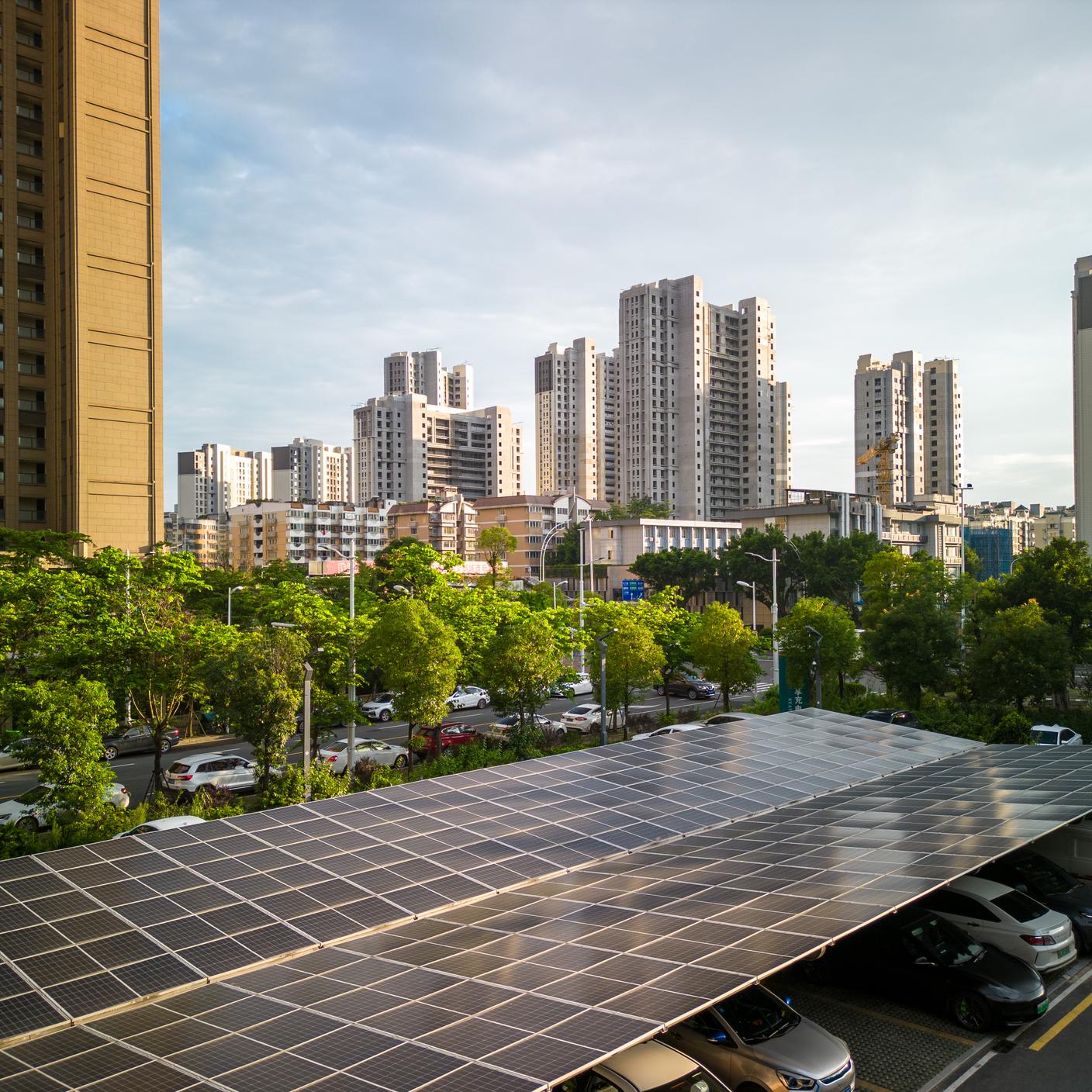
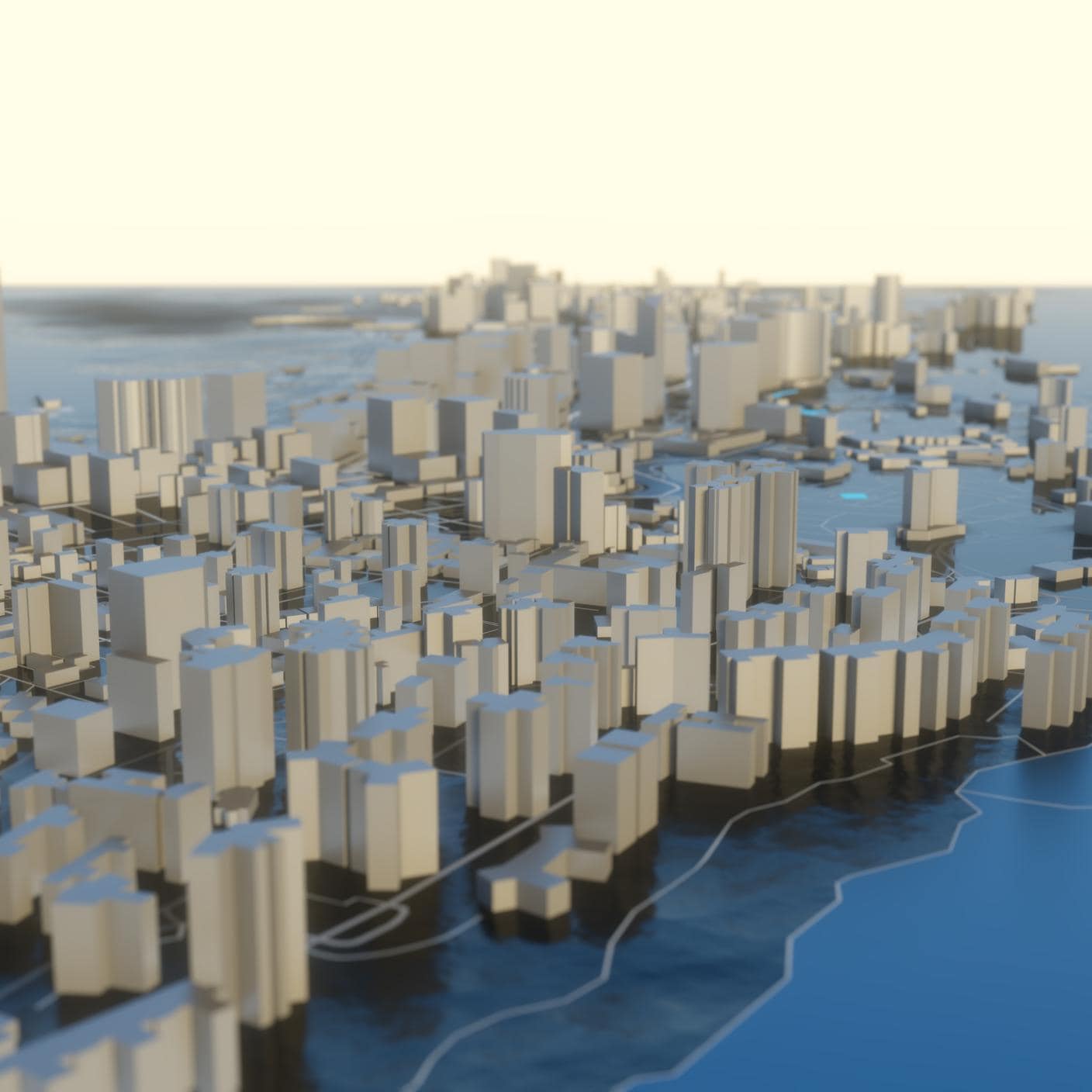
As urban populations continue to grow globally[1], cities and communities are facing a period of significant change. Evolving social, environmental and economic pressures are transforming the way places are planned, managed and experienced.
As these challenges become increasingly interconnected, there is a growing need for communities that can adapt to change while continuing to support the people who live and work within them.
Building resilience is an important part of meeting this challenge. Resilient communities are better able to respond to disruption, recover from setbacks and continue to thrive over the long term. Achieving this requires more than strong infrastructure alone. It depends on effective governance, inclusive services, healthy environments and opportunities for people to participate in community life.
What is a resilient community?
A resilient community is one that can anticipate, adapt to, and recover from social, economic, and environmental disruptions while continuing to function and develop.
It is underpinned by strong social connection, enabling individuals and organizations to collaborate effectively during periods of stress or crisis. Community resilience also involves a commitment to long-term sustainability, ensuring that resources are managed responsibly and current and future well-being are protected.
Why resilient communities matter
The importance of resilience is increasing with the growing risks and challenges communities face. Climate-related events, economic instability, technological disruption, political polarization, and vulnerabilities in global supply chains all contribute to rising levels of uncertainty and stress at a local level.
If left unaddressed, these pressures can result in significant economic losses, widening inequality, reduced trust in institutions, and severe humanitarian consequences.
The United Nations (UN) has recognized the importance of resilient communities within its 17 Sustainable Development Goals (SDGs), with Goal 11 dedicated to making cities and human settlements inclusive, safe, resilient and sustainable[2].
Investing in resilience can generate substantial benefits, including stronger local economies, improved public health, higher levels of civic participation, and greater capacity for innovation and sustainable growth.
The approach you can take to thrive
Communities today face an increasingly complex combination of challenges. Climate change, resource pressures, evolving demographics, digital transformation and global uncertainty are reshaping the way cities and communities are planned, delivered and managed. In this environment, resilience is no longer a desirable characteristic – it is an essential requirement for your long-term prosperity and sustainability.
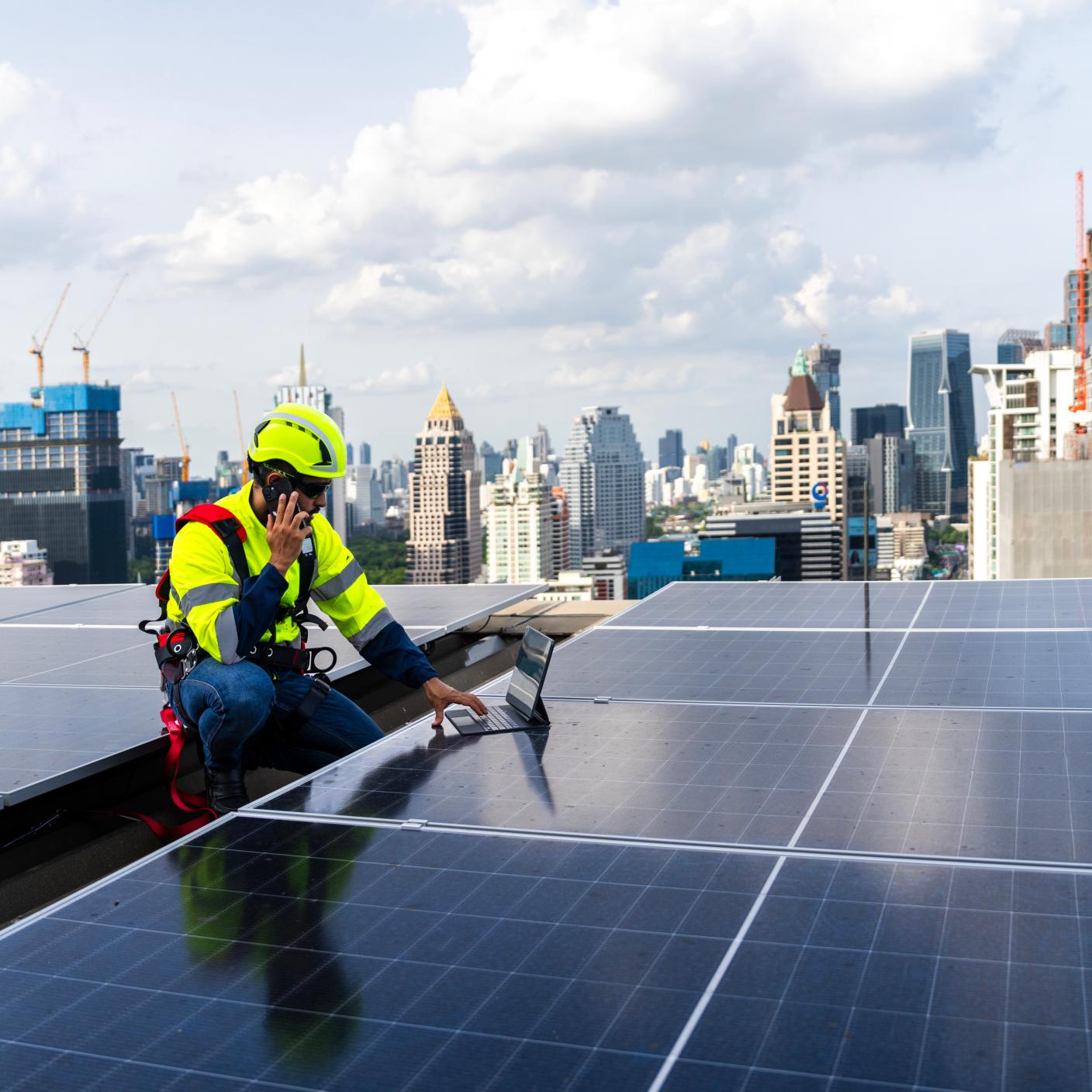
Building resilient communities requires a holistic approach that brings together low-carbon development, sustainable infrastructure, resource security, digital innovation, inclusive design and effective governance. Success depends on the ability of organizations, governments and communities to work collaboratively, making decisions that balance immediate needs with long-term outcomes.
Standards and certification play a critical role in supporting this transition
By providing trusted frameworks and independently verified best practices, standards help you embed resilience into decision-making, improve performance, manage risk and demonstrate accountability to stakeholders in your organization.
The communities that thrive in the decades ahead will be those that invest in resilience today. By embracing innovation, prioritizing sustainability and adopting internationally recognized standards, cities can create places that are better prepared for future challenges while enhancing quality of life, attracting investment and supporting sustainable economic growth.
References:
1. 68% of the world population projected to live in urban areas by 2050, says UN, United Nations.
2. Make cities and human settlements inclusive, safe, resilient and sustainable, United Nations.