Many organizations associate climate risk with sustainability reporting; environmental, social, and governance (ESG) disclosures; or regulatory requirements. However, climate risk is fundamentally a business risk.
A changing climate and the global transition toward a lower-carbon economy can influence operations, supply chains, infrastructure, workforce productivity, access to capital, insurance costs, customer expectations, and long-term business performance.
Whether or not your organization is required to disclose climate-related risks, understanding them can help strengthen resilience, improve decision-making, and better prepare your business for future challenges and opportunities.
Climate risk is already affecting business performance
Before defining climate risk, it helps to understand why it matters. Climate-related disruptions can quickly move from environmental events to business impacts, affecting operating costs, productivity, supply chain reliability, insurance availability, capital planning, and customer commitments.
For many organizations, the risk is not limited to whether a facility is directly exposed to a flood, wildfire, heat event, or water shortage. It also includes how those events affect suppliers, logistics, workforce availability, utilities, raw materials, financing, and stakeholder confidence.
Climate risk can affect nearly every part of an organization. For example:
- A flood disrupts a critical supplier, delaying production and customer deliveries.
- Extreme heat impacts employee productivity and increases facility cooling costs.
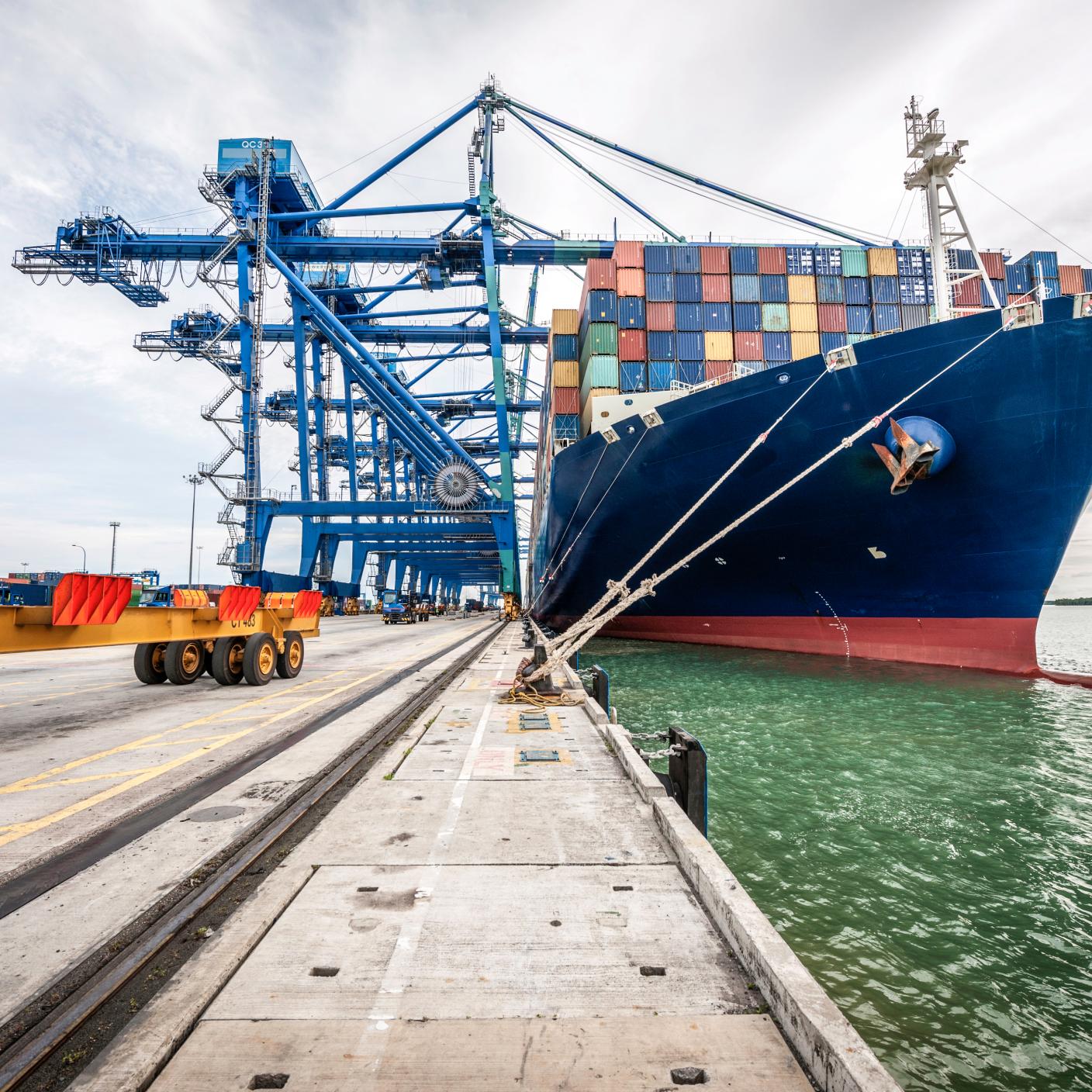
- Severe weather damages transportation infrastructure, creating logistics delays and higher freight expenses.
- Water scarcity affects manufacturing output in key operating regions.
- Insurance premiums increase for facilities located in areas experiencing more frequent climate-related events.
- Investors, lenders, and customers seek greater visibility into how climate-related risks are being managed.
These impacts can translate into increased costs, operational disruptions, reduced profitability, lost revenue opportunities, and reputational challenges.
What is climate risk?
Climate risk refers to the potential impacts that climate change may have on an organization's assets, operations, supply chain, workforce, finances, and long-term strategy.
Climate risks generally fall into two categories: physical risks and transition risks. These categories are widely recognized in climate risk frameworks and standards, including those developed by the Task Force on Climate-related Financial Disclosures (TCFD) and the International Sustainability Standards Board (ISSB).
Understanding both types of risk helps organizations identify vulnerabilities, prioritize investments, and make more informed business decisions.
Physical risks: Impacts you can see
Physical risks arise from the direct effects of climate change on people, facilities, infrastructure, and operations.
These risks can be:
Chronic risks—longer-term changes in climate conditions, such as:
- Rising temperatures.
- Water scarcity.
- Sea-level rise.
- Changing precipitation patterns.
- Declining air quality.
Acute risks—sudden events that disrupt operations, such as:
- Flooding.
- Hurricanes and severe storms.
- Wildfires.
- Extreme heat events.
- Power outages.
These impacts can lead to facility damage, business interruptions, supply chain disruptions, higher insurance costs, workforce health and safety concerns, and increased operating expenses.
For example, a manufacturing site may not be directly affected by flooding, but critical suppliers, transportation routes, utility providers, or employees may be. In many cases, climate-related exposure exists beyond an organization's own operations and throughout its value chain.
Transition risks: Impacts of a changing economy
Transition risks arise from the economic, regulatory, technological, and market changes associated with the transition to a lower-carbon economy.
Companies may face risks related to:
- New regulations and policies.
- Emerging technologies.
- Changing customer expectations.
- Investor and lender requirements.
- Competitive market pressures.
- Reputational concerns.
For example, an organization that relies on carbon-intensive processes may encounter higher costs, changing demand patterns, or pressure from investors and stakeholders seeking evidence of climate resilience and long-term strategy.
Transition risks aren't necessarily negative. Identifying and addressing these risks early can actually lead to opportunities for innovation, operational efficiency, new products, and market growth.
Why climate risk matters even when reporting isn't required
This is one of the most common questions organizations are asking today.
While climate-related disclosure requirements continue to evolve, the market expectation for climate risk transparency has not disappeared. In many cases, questions about climate risk now come from lenders, insurers, investors, customers, and supply chain partners rather than regulators.
Those organizations that evaluate climate risk gain several advantages:
- Better business resilience: Understanding potential climate impacts helps organizations anticipate disruptions and strengthen business continuity plans before a crisis occurs.
- Smarter investment decisions: Climate risk assessments can inform capital planning, facility investments, acquisitions, and long-term growth strategies.
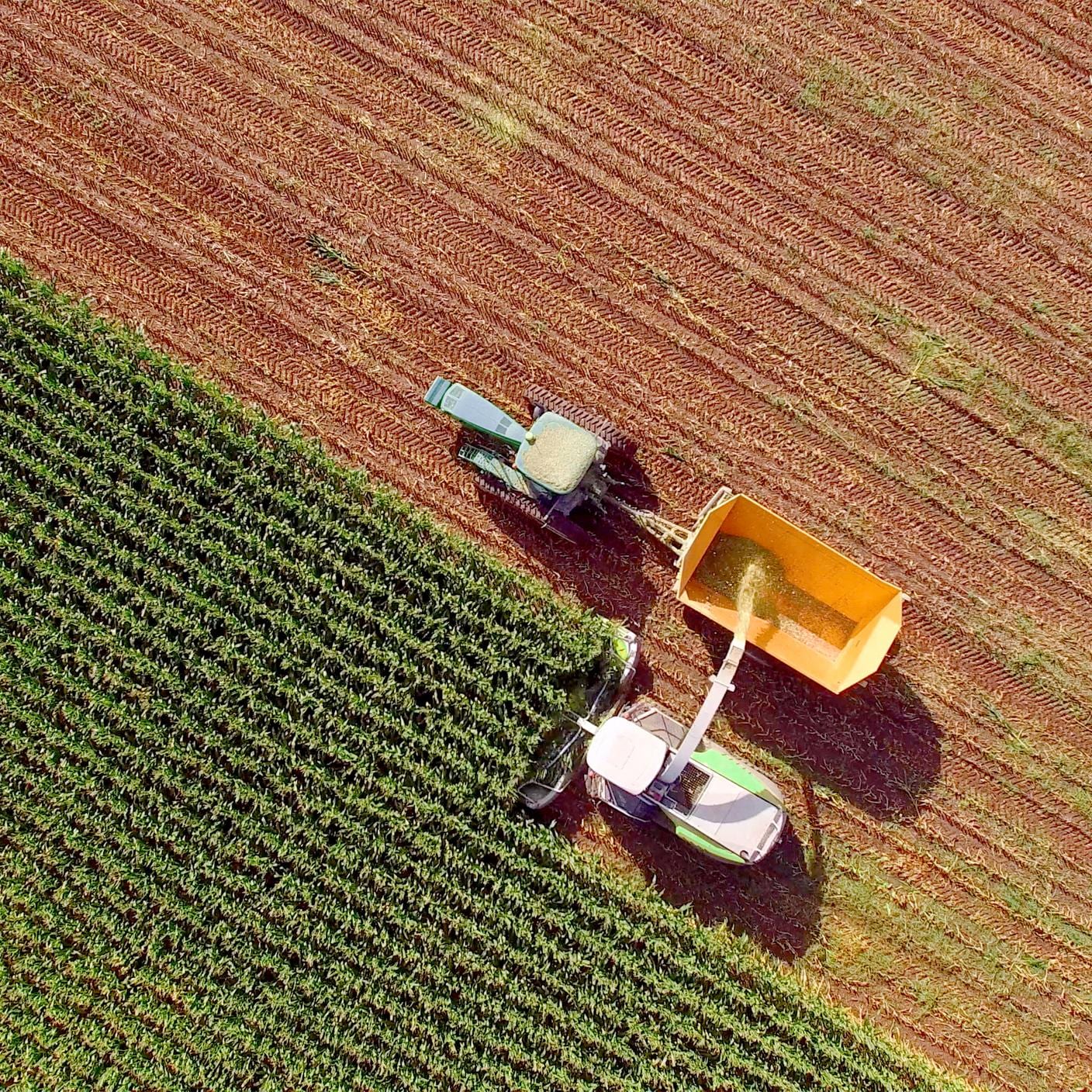
- Supply chain visibility: Many organizations are discovering that their greatest climate exposure isn't at their own facilities; it's within their supplier network.
- Access to capital and insurance: Financial institutions and insurers increasingly want to understand how organizations are managing climate-related risks before making lending, investment, or underwriting decisions.
- Future readiness: Regulations may change, but resilience is always valuable. Responding to future disclosure requirements and stakeholder expectations is easier when climate risk is already built into enterprise risk management.
Climate risk is more than reporting
Rather than asking whether climate reporting is required, organizations should be asking:
- Which facilities, assets, or regions are most vulnerable to extreme weather?
- How could climate-related disruptions affect revenue, profitability, and customer commitments?
- How can climate risks influence future investment and growth decisions?
- How can climate-related disruptions affect our supply chain?
- What business opportunities might emerge as markets evolve? Are we prepared for the expectations of investors, insurers, customers, and regulators?
Not sure where your greatest climate risks exist? A climate risk assessment can help identify vulnerabilities across your operations, supply chain, and strategy.
More from BSI Consulting
As Emissions Reporting Advances, Climate Risk Reporting Lags
Understanding IFRS S1 and IFRS S2 for Enhanced Climate Risk Reporting
TNFD: Integrating Nature Risk and Climate Strategy
Ten Overlooked Ways Climate Change Impacts EHS
Climate Risk Data for US Organizations and US Trade