The world's infrastructure wasn't built for weeks of extreme heat, but it now faces exactly that. In 2026 alone, wildfires have scorched over 370 million acres of land, crops are failing, and power grids are buckling under the strain of relentless cooling demand.
Few systems feel the effects more intensely than supply chains. From heat-warped rail lines in Europe to power failures across Asia's manufacturing hubs, rising temperatures are disrupting how goods are moved around the world.
The damage lands at every stage of the journey. Here's where high temperatures are hitting supply chains the hardest.
Transportation under pressure
Logistics capacity drops as temperatures rise. High heat warps steel rail lines, thins the air over airport runways, and drains the waterways that carry freight. When physical infrastructure reaches its limit, delays cascade across entire trade corridors.
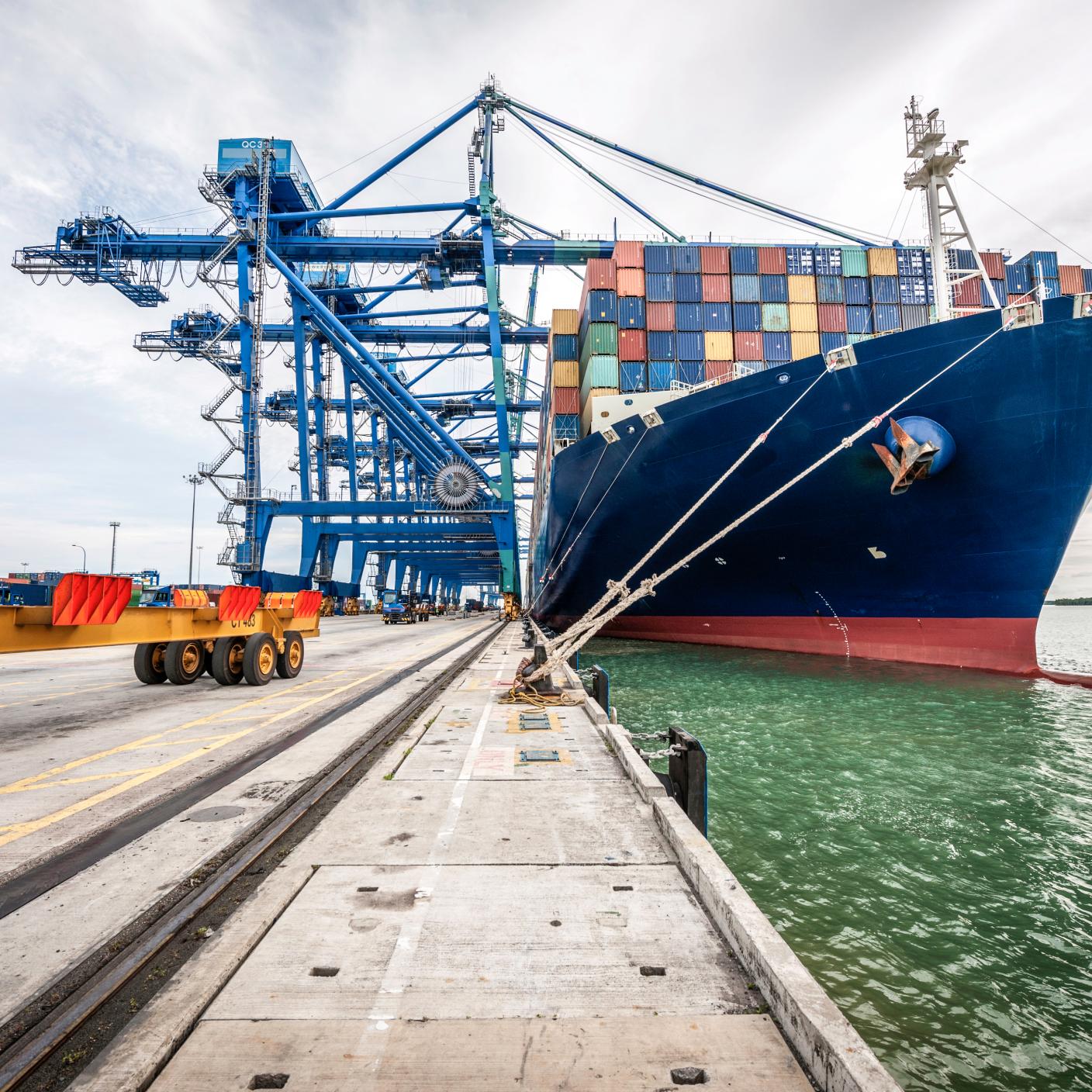
- Maritime chokepoints: Record-low water in the Panama Canal's Gatún Lake forced authorities to cut daily crossings by roughly a third, creating week-long backlogs and pushing some shippers to pay millions to jump the queue or reroute entirely.
- Inland waterways: In the US, historic lows on the Mississippi River forced barge operators to cut cargo loads during peak harvest season, spiking shipment rates across North America’s agricultural corridor.
- Rail: In Sweden, heat-warped tracks derailed a 600-meter freight train, halting trade for weeks.
- Aviation: When airports hit high “density altitude” thresholds, cargo carriers are forced to cap payload weight or delay departures until nighttime, leaving heavy freight stranded on the tarmac.
Extreme heat directly shrinks how much supply you can move. For supply chain leaders, that translates into longer lead times, surging cargo costs, and greater pressure on inventory planning.
Breaking the cold chain
Maintaining temperature-controlled supply chains across sectors like food, beverage, and pharmaceuticals is becoming both more expensive and more difficult. Sustained heat overworks refrigeration systems across every transit point, leaving zero margin for error before compliance failures or product degradation occur.
The stakes keep rising as demand increases for temperature-sensitive biologics such as GLP-1 weight-loss medications. Even brief heat exposure to these products in transit can compromise efficacy and threaten patient safety.
In India, where only 4% of fresh produce travels through an active cold chain, the World Bank estimates that infrastructure gaps already cost $13 billion in annual food losses alongside 25% of the nation's vaccine supply. Prolonged heatwaves are directly compounding these failure rates.
Broken cold chains translate directly into lost margin and severe regulatory liability. High-heat operations demand active, real-time temperature tracking at every handoff.
The grid as a single point of failure
Automated fulfillment centers and energy-intensive data centers rely entirely on uninterrupted power. Yet, extreme heat squeezes the grid from both sides at once: demand for cooling surges just as high temperatures cut transmission lines' capacity to carry electricity by up to 5.8%.
Severe heatwaves across northern Vietnam exposed this vulnerability when rolling power cuts crippled industrial parks. Production ground to a halt for key global technology suppliers, causing an estimated $1.4 billion in losses.
As supply chains automate, electrify, and adopt artificial intelligence (AI) workloads, energy availability becomes the primary bottleneck to operational scale. Evaluating site selection now requires auditing local grid resilience, backup microgrids, and battery storage alongside traditional labor and transport metrics.
Rethinking sourcing strategies
Sourcing once hinged on cost, quality, and speed. Climate resilience is now an equally critical metric. Extreme heat degrades crop yields, restricts industrial water supplies, and triggers localized grid failures. When severe weather disrupts a primary production hub, single-sourced networks grind to a halt.
To eliminate single points of failure, supply chain leaders are adopting dual sourcing, nearshoring, and regional diversification.
Leadership teams must ask four key questions to evaluate supplier resilience in extreme heat scenarios:
- Is the supplier operating in a region facing chronic heat stress?
- How dependent is production on water-intensive processes?
- What contingency plans are in place during extreme weather events?
- Is there sufficient geographic diversification across the supplier network?
Operating in a hotter world
Building resilience means designing supply chains that can shift course as conditions deteriorate, not after delays hit. To strengthen continuity:
- Stress-test infrastructure by evaluating grid reliability, water availability, backup power, and climate exposure across key sites.
- Deploy dynamic rerouting capabilities that allow shipments to adapt before heat-related disruptions occur.
- Map multi-tier supplier risk to identify dependencies on heat-stressed regions before disruptions cascade through the network.
As global temperatures rise, continuous trade depends on embedding climate adaptability into every layer of supply chain operations.