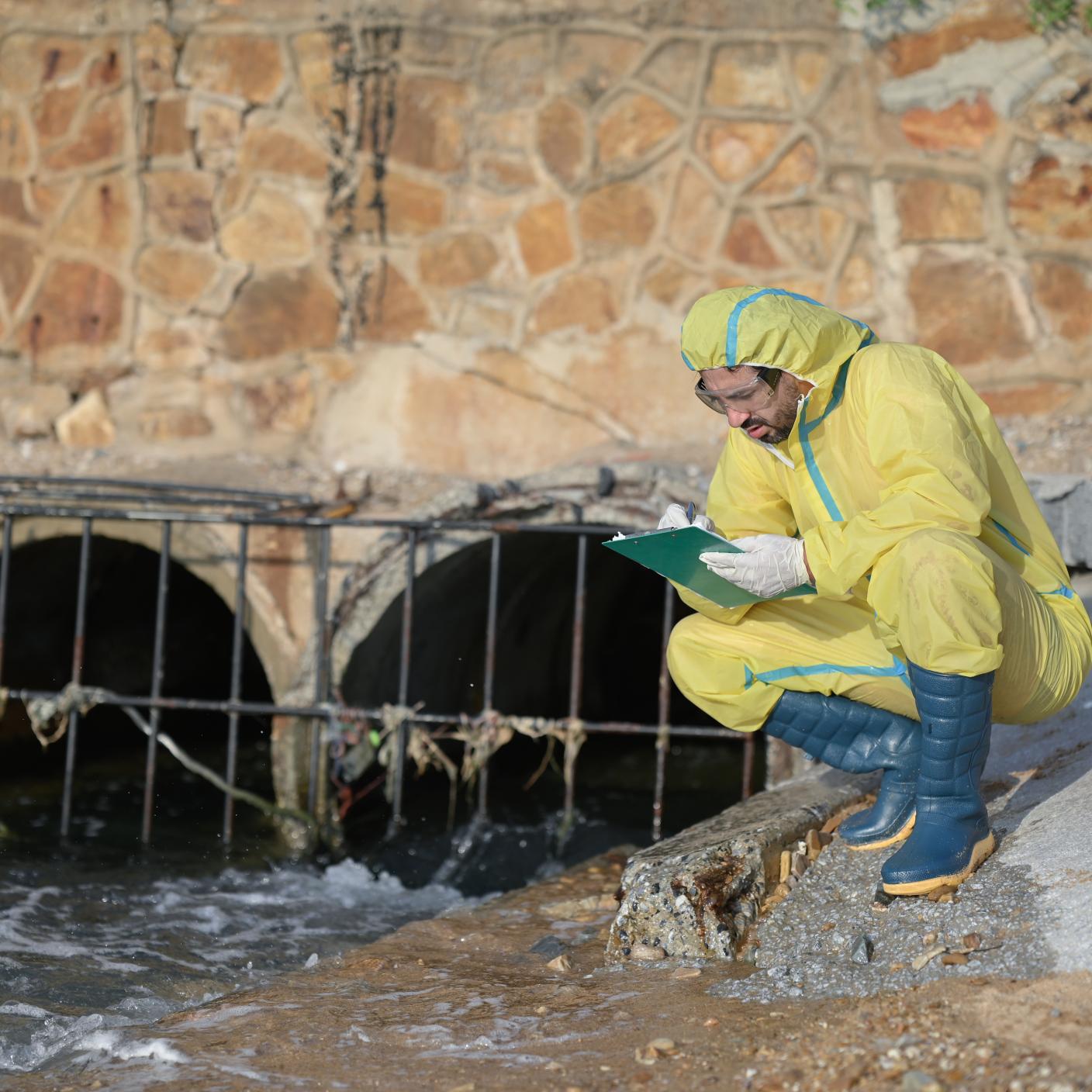
Spill Prevention, Control, and Countermeasure (SPCC) compliance is often viewed as a straightforward requirement. If a facility stores oil above threshold levels, it needs a SPCC Plan, inspections, controls, and training in place to help prevent releases from reaching navigable waters or adjoining shorelines. On paper, the expectations are clear. But in practice, SPCC remains a common source of compliance risk.
The challenge is that SPCC programs are easy to put in place and just as easy to let drift. A SPCC Plan may be developed, filed, and approved, but not revisited when equipment changes, tanks are added, personnel shift, or inspection routines fall out of step with daily operations.
The gap between the written plan and the real facility is where violations often begin. A monthly inspection is missed. A piece of oil-containing equipment is left off the inventory. A secondary containment issue is noted but not corrected. The SPCC Plan is not updated after a process or equipment change.
Those details may seem administrative, but the consequences can be significant. US Environmental Protection Agency (EPA) penalties for SPCC violations can exceed $58,000 per day, meaning routine program gaps can quickly become costly findings.
For many organizations, the risk is not that SPCC requirements are unknown. It is that ownership is unclear, inspection cycles are inconsistently tracked, and the SPCC Plan is treated as a static document instead of a working tool that should reflect what is happening onsite.
The most common SPCC non-conformities we find are:
- Missed or undocumented inspections: Monthly inspection requirements are often not completed or recorded properly.
- Forgotten long-term requirements: Integrity testing and other long-cycle requirements are frequently missed due to personnel changes, lack of understanding of the test requirements, and lack of tracking.
- Incomplete equipment inventories: Oil-containing equipment (e.g., transformers or elevator reservoirs) are often overlooked or incorrectly categorized, affecting compliance obligations.
- Outdated SPCC plans: Documents are not updated to reflect operational changes, personnel updates, or equipment modifications.
- Generic training programs: Employees are not trained on site-specific spill risks or response expectations.
Why this happens
SPCC programs tend to degrade over time because many of the requirements are not part of daily facility routines. A SPCC Plan may be current when it is first developed, but small changes in equipment, staffing, storage practices, or inspection ownership can quickly create gaps if no one is actively managing the program.
- Requirements are infrequent, which makes them easier to miss. Monthly inspections, annual plan reviews, and multi-year testing cycles can fall through the cracks when they are not built into a formal tracking system.
- Ownership is not clearly defined, especially when responsibility is shared across EHS, maintenance, operations, and facility teams. Without task-level accountability, everyone may assume someone else is handling the inspection, update, or corrective action.
- Plans are treated as static documents instead of operational tools. When the SPCC Plan is stored away and only revisited during an audit, it is unlikely to reflect current tanks, containers, transfer areas, drainage pathways, personnel, or response procedures.
The bigger issue
SPCC compliance is not just about having a SPCC Plan on file. It is about maintaining a program that reflects the current condition of the facility, the equipment on site, the people responsible for key tasks, and the controls in place to prevent and respond to a release.
When the written SPCC Plan does not match what is actually happening onsite, even a well-intended program can create risk. Regulators are not only looking for documentation. They are looking for evidence that the SPCC Plan is being implemented consistently, updated when conditions change, reviewed by a Professional Engineer (if applicable), and understood by the people responsible for carrying it out.
What strong SPCC programs do differently
- Track inspection and testing cycles systematically, with clear due dates, assigned owners, escalation steps, and documentation requirements.
- Maintain a live inventory of all oil-containing equipment, including tanks, containers, transformers, hydraulic systems, transfer areas, and any other sources that may affect SPCC Plan applicability or response planning.
- Review and update plans regularly, especially after equipment changes, facility modifications, personnel changes, spills, near misses, or changes in inspection and response procedures.
SPCC compliance succeeds when the SPCC Plan is actively connected to daily operations, facility changes are captured in real time, and the people responsible for inspections, equipment tracking, and spill response know exactly what to do.
Need help identifying where your SPCC program may be vulnerable? Want to get ahead of the inspection, plan update, and equipment inventory gaps covered in this series? Register for BSI's Annual Environmental Bootcamp for practical, real-world guidance from BSI’s environmental experts.
More from Mike Zimmerman
4 Common Stormwater Compliance Mistakes That Put Permits at Risk
Top 5 Hazardous Waste Compliance Pitfalls That Keep Triggering Violations