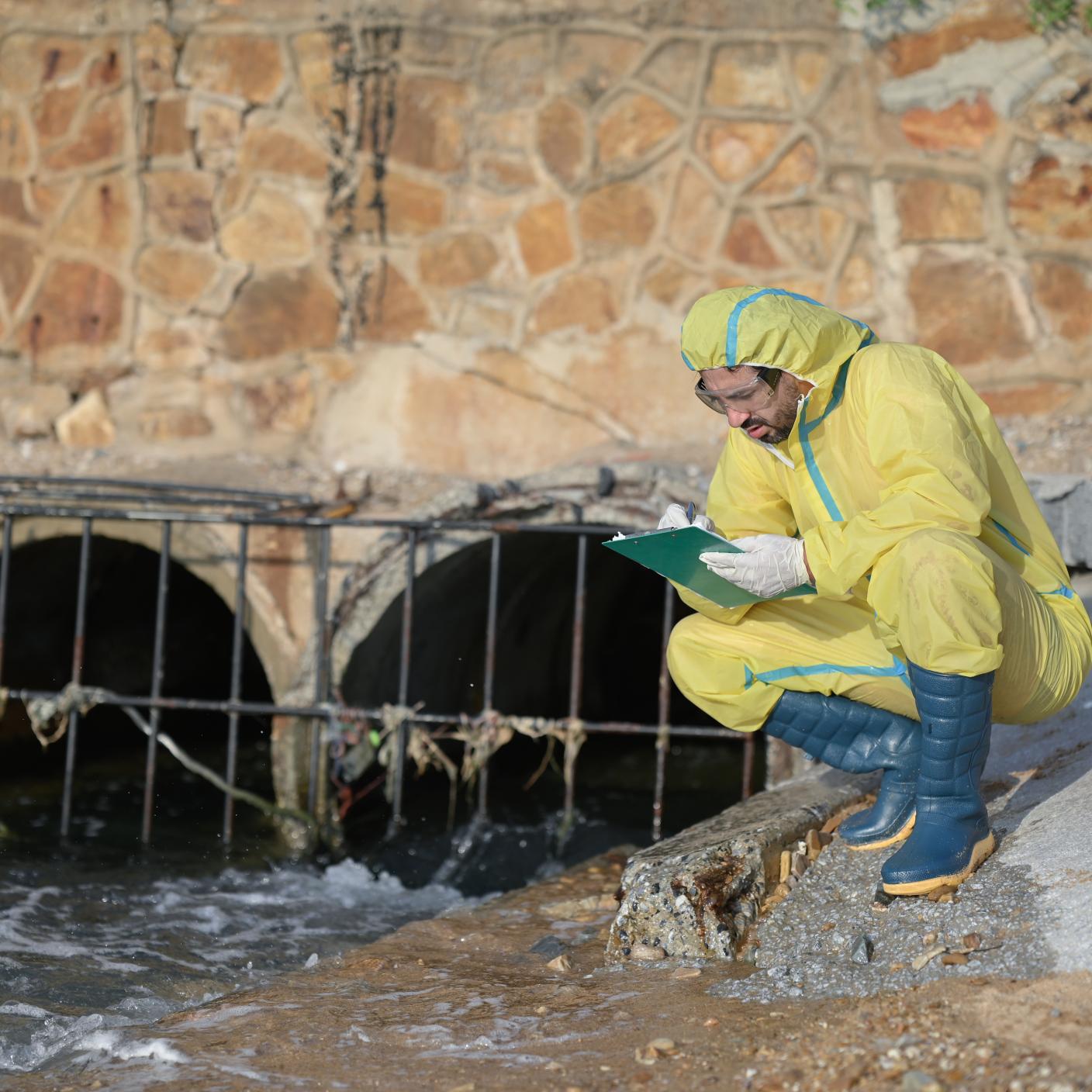
In Spring 2026, a series of chemical accidents across the United States served as a stark reminder that seemingly routine failures can escalate into major emergencies. Within a matter of days, a near-catastrophic incident in Garden Grove, California, prompted the evacuation of tens of thousands of residents while a tank explosion in Longview, Washington, claimed lives and shook the surrounding community. And just a few weeks earlier, an accidental chemical mixture at a silver processing facility in Institute, West Virginia, released toxic hydrogen sulfide gas during cleanup operations.
While each event had its own causes and consequences, they share a common lesson: small gaps in chemical storage, handling, maintenance, or process controls can quickly escalate into incidents with far-reaching impacts.
These events are not isolated. The Coalition to Prevent Chemical Disasters reports that more than 1,400 hazardous chemical incidents have occurred in the United States since January 2021, an average of roughly five incidents every week.
May 26, 2026: Longview, Washington – Pulp Mill Tank Implosion
A 900,000-gallon” white liquor” tank at a paper mill imploded, causing a mass casualty incident. Nearly a dozen workers were killed, with multiple injuries reported. The blast shut down a key industrial site and triggered a multi-agency emergency response.
May 21, 2026: Garden Grove, California – An Overheated Chemical Tank
An industrial tank containing methyl methacrylate at a local aerospace plant overheated and bulged, threatening a catastrophic boiling liquid expanding vapor explosion (BLEVE). First responders issued mass evacuation orders, and over 50,000 residents across several cities fled until crews stabilized the tank.
April 22, 2026: Institute, West Virginia – Toxic Gas Release During Plant Shutdown
During cleanup at a silver-processing plant slated for closure, an accidental mixing of chemicals triggered a toxic hydrogen sulfide gas release. Two workers were killed, and nearly 30 others were hospitalized (including first responders), prompting authorities to issue a shelter-in-place order for the surrounding area.
These events reveal some hard lessons. A confluence of factors is causing chemical storage and handling risks to become increasingly more difficult to manage, including:
- Aging infrastructure (older tanks, valves, and cooling systems are prone to failure)
- Supply chain pressures (lean inventories and tight schedules can strain safe storage practices)
- Mixed-use facilities and dense communities (small industrial sites are often located within residential areas, amplifying offsite impacts)
- Regulatory complexity (shifting Occupational Safety and Health Administration [OSHA]/United States Environmental Protection Agency [EPA] rules and varying state standards make compliance a moving target)
It is equally important that executives recognize the business consequences when “small gaps” go unaddressed.
Operational disruptions are immediate: Garden Grove’s plant was effectively frozen for days by one overheating tank, and the Longview mill now faces extended downtime, investigations, and renewed efforts to ensure worker safety and well-being. Additionally, financial and reputational costs mount quickly as teams work to address emergency responses, fines, lawsuits, and shattered community trust.
Business continuity expert David Blacksberg warns, “Even the smallest, overlooked gaps can drive months of disruption, resulting in lost production, supply chain instability, and enduring reputational damage.”
Where organizations are vulnerable
High-hazard industries have safety nets (like OSHA’s Process Safety Management [PSM] and EPA’s Risk Management Program [RMP] frameworks) to catch problems, but incidents still happen when basic safeguards falter. “Major chemical incidents rarely stem from one big mistake,” observes Adrienne Young, a PSM/RMP consultant. “They usually trace back to multiple small failures—little holes in the safety layers that line up to allow a disaster to occur.”
Below are five common vulnerability areas where those small gaps arise:
- Storage and segregation failures: Improper storage conditions and mixing of incompatible chemicals are classic triggers for incidents. Failure to segregate reactive substances, maintain safe temperatures, or inspect tank integrity can lead to dangerous reactions or releases. At Garden Grove, an aging tank’s cooling system failed, causing a volatile chemical to overheat. Regulators later noted the facility had “improperly cooled and covered tanks” during earlier inspections. Ensuring secondary containment, fire suppression, and routine inspections is essential so a single storage lapse doesn’t escalate.
- Incomplete or inaccurate chemical inventories: If you don’t know exactly what chemicals you have, where they are, and in what quantity, you can’t manage them safely. Too often, facilities have outdated chemical inventory lists, mislabeled drums, or “mystery” materials in the back of a warehouse or within out-of-service equipment. For example, a plant might introduce a new solvent or adhesive without updating its safety data sheets (SDSs) and relevant hazard reviews. These blind spots hinder hazard analyses and emergency planning efforts. Every chemical onsite, from main feedstocks to cleaning supplies, should be tracked with up-to-date SDS and storage data.
- Training and competency breakdowns: Leaders sometimes assume workers know proper chemical handling by default, but training gaps remain one of the most persistent safety issues. When training is not kept current or when turnover introduces unqualified personnel, mistakes proliferate (e.g., incompatible wastes get mixed, personal protective equipment [PPE] isn’t used correctly, or early warning signs go unrecognized). Regular, hands-on training (including emergency drills and refreshers) is critical so everyone from operators to contractors is prepared to handle hazardous materials and respond to alarms.
- Contractor and third-party exposure: Many chemical-related incidents involve contract workers or vendors who weren’t fully integrated into the facility’s safety program. Contractors performing maintenance or construction may unintentionally bypass safety rules (e.g., using welding torches near flammable vapor as happened in a prior refinery accident). PSM regulations explicitly require vetting and monitoring contractors because their work, if done unsafely, can trigger a disaster. Organizations should extend training, communication, and permit-to-work systems to all third parties onsite, ensuring that they understand hazards and emergency procedures as well as any direct employee would.
- Emergency response and preparedness gaps: When an incident unfolds, every minute counts. Yet, some organizations lack comprehensive emergency plans, up-to-date drills, or coordination with local responders. Facilities need clear, practiced protocols for alarms, evacuations, and incident command. Weaknesses like missing alarm systems, uncertain evacuation routes, insufficient spill containment gear, or unpracticed staff can turn a containable event into chaos. Regular drills (including joint exercises with fire departments) and clear responsibilities are key to plugging these gaps. As Blacksberg notes, “In chemical incidents, preparedness is decisive; organizations without well-defined, tested plans are forced to make high-risk decisions in real time.”
These vulnerabilities are usually interconnected. A facility with incomplete inventories likely has training lapses; if contractors aren’t managed well, emergency plans probably have holes too. It’s the cumulative effect of these small shortcomings that raises the risk of a serious event. The good news? Identifying and strengthening these weak points can significantly reduce an organization’s risk profile.
What to do next
If these incidents are a wakeup call, what’s the next step? Prevention is far more effective (and cheaper) than crisis response, so leaders should act now to shore up their hazardous chemical management practices.
Five immediate actions to improve safety right away:
- Conduct a chemical safety audit: Immediately perform a gap assessment of your hazardous chemical storage and handling processes. Look for missing safeguards (old tanks, expired procedures, etc.) and prioritize fixes. Even a quick audit using a PSM/RMP checklist can spotlight high-risk gaps you might not realize exist. For example, is every storage tank equipped with functional relief devices, overfill protection, and temperature controls?
- Verify and update your inventory: Do a wall-to-wall inventory check of all hazardous materials onsite. Reconcile what you find against your official list and address any “unknown” or unlabeled containers or pieces of equipment. Ensure SDSs are on file and accessible for every hazardous substance. A comprehensive, current chemical inventory is the baseline for everything from hazard analysis to emergency planning.
- Refresh training and drills: Roll out a targeted training refresher focusing on safe chemical handling, emergency procedures, and lessons learned from recent incidents. Emphasize situational awareness and encourage employees to speak up about small problems. Include contractors and temp workers in this training. Then run an emergency drill (fire, spill, evacuation) to test and improve your response plans.
- Review storage and segregation practices: Inspect how and where each hazardous chemical is stored. Validate that incompatible chemicals are separated (e.g., acids away from bases, oxidizers away from flammables) and containers and equipment are in good condition. Implement any needed engineering controls (e.g., improved ventilation, cooling systems, spill containment pallets) to ensure stable storage conditions.
- Engage leadership and culture: Have a candid briefing with your executive team about hazardous chemical risks and what’s at stake (safety, legal, financial). Make hazardous chemical safety a leadership priority with visible support and accountability. Encourage a culture where near misses and small issues are reported and addressed, not swept under the rug. Leaders set the tone: if they treat “small gaps” seriously, everyone else will follow.
Self-assessment questions for leaders
Ask these questions of your organization to diagnose readiness:
- Do we know all the hazardous chemicals present at our facilities and what makes them hazardous?
- When was our last full emergency response drill, and what did we learn from it?
- If a critical hazardous chemical tank or system failed right now, could we contain the situation quickly?
- Are we tracking leading indicators (e.g., near misses, mechanical integrity issues) that could foreshadow a bigger incident?
- How often do we as executives engage in safety walkthroughs or ask about our organization’s process safety performance?
Positive answers indicate a proactive stance; “no” or “unsure” answers highlight areas that need strengthening. Even the simple act of discussing these questions can reveal blind spots and spur organizational improvements.
Chemical safety maturity model
Consider where you stand on a spectrum from reactive to integrated regarding safety management:
| Maturity stage | Characteristics |
| 1. Reactive (Basic) | Compliance driven and ad hoc. Chemical safety efforts exist mainly to meet minimum regulations (OSHA PSM/EPA RMP) but lack depth. Systems are paper based, responsibilities siloed. Issues are often addressed only after incidents or inspections. Training is infrequent; near misses may be ignored. |
| 2. Managed (Improving) | Procedural and preventive measures are established. The organization conducts regular training, maintains inventories, and has active safety meetings. Still, the focus is on checklists and procedures, with risk controls applied unevenly. Management supports safety but may not fully integrate it into business strategy. Continuous improvement is present but could be stronger. |
| 3. Integrated (Proactive) | A safety mindset is embedded at every level. PSM/RMP programs go beyond mere compliance (viewed as the baseline, not the goal). The company uses advanced monitoring and analytics to predict and prevent issues. Leaders allocate resources for maintenance, technology (e.g., real-time tank monitoring), and expert reviews. Employees and contractors are actively engaged in hazard identification and response planning. Continuous improvement is a core value, with regular audits, drills, and updates ensuring that safety defenses keep getting stronger. |
Most organizations start at Level 1 and move upward by combining compliance with best practices. The aim is to reach a point where process safety is “the way we work,” comparable to quality or financial controls.
Every chemical incident leaves behind a trail of questions. What warning signs were missed? What safeguards failed? What could have been done differently? While the causes vary, the lesson is often the same: small gaps can have outsized consequences.
Meet our experts
- Adrienne Young, BSChE, Senior Consultant specializing in process safety and risk management in the chemical industry
- David Blacksberg, MPH, CBCP, LSSBB, Senior Consultant specializing in emergency management and business continuity
If you’re uncertain about your organization’s chemical safety posture, you don’t have to go it alone. Consider bringing in independent experts for a fresh look at your processes. A thorough hazardous chemical safety audit or PSM program review can validate what’s working and identify hidden gaps. Engaging experienced safety consultants doesn’t mean relinquishing control; it means gaining specialized knowledge to protect your people and operations.
Read Enhanced chemical safety: PSM and RMP - Better Together and our Business continuity and emergency response guide.