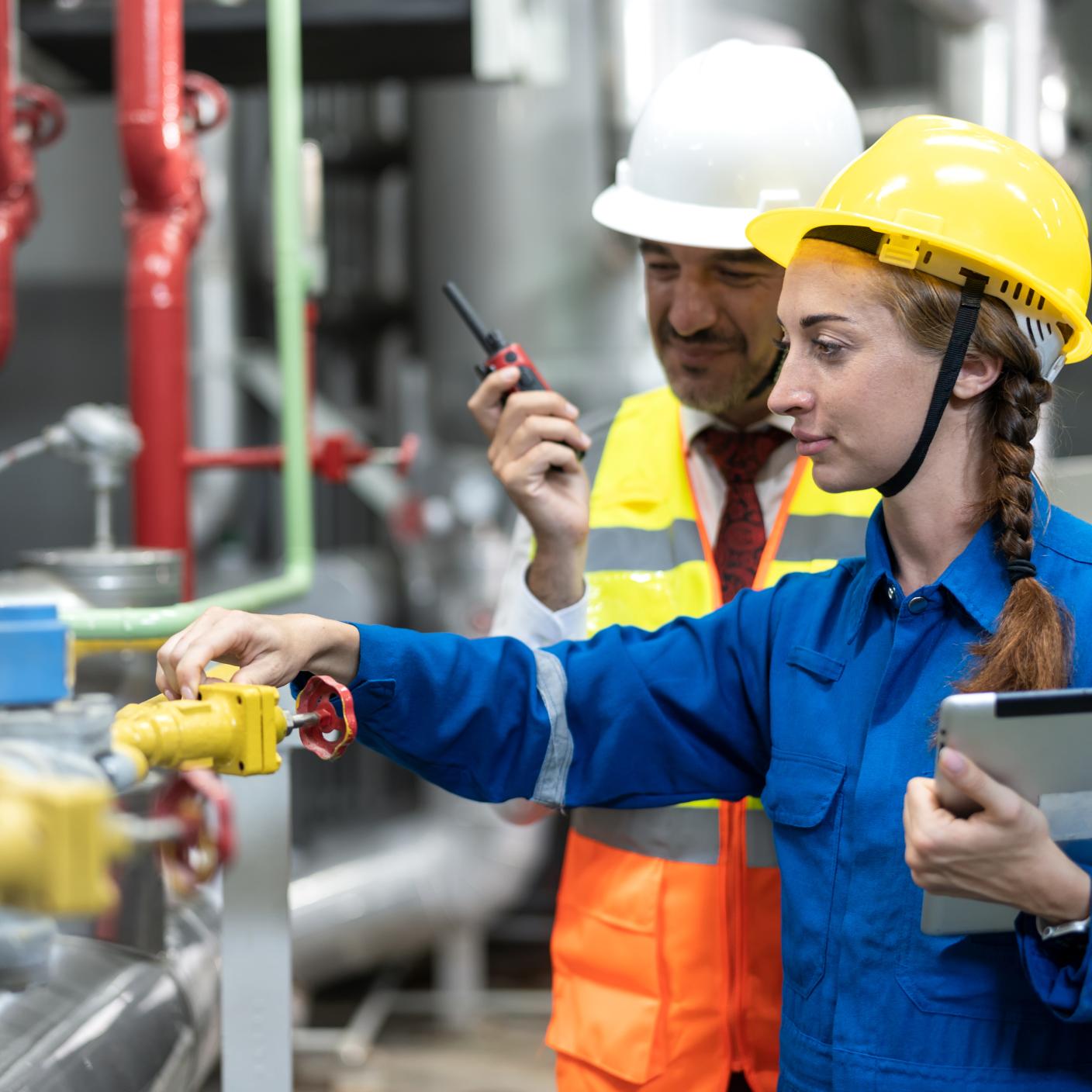
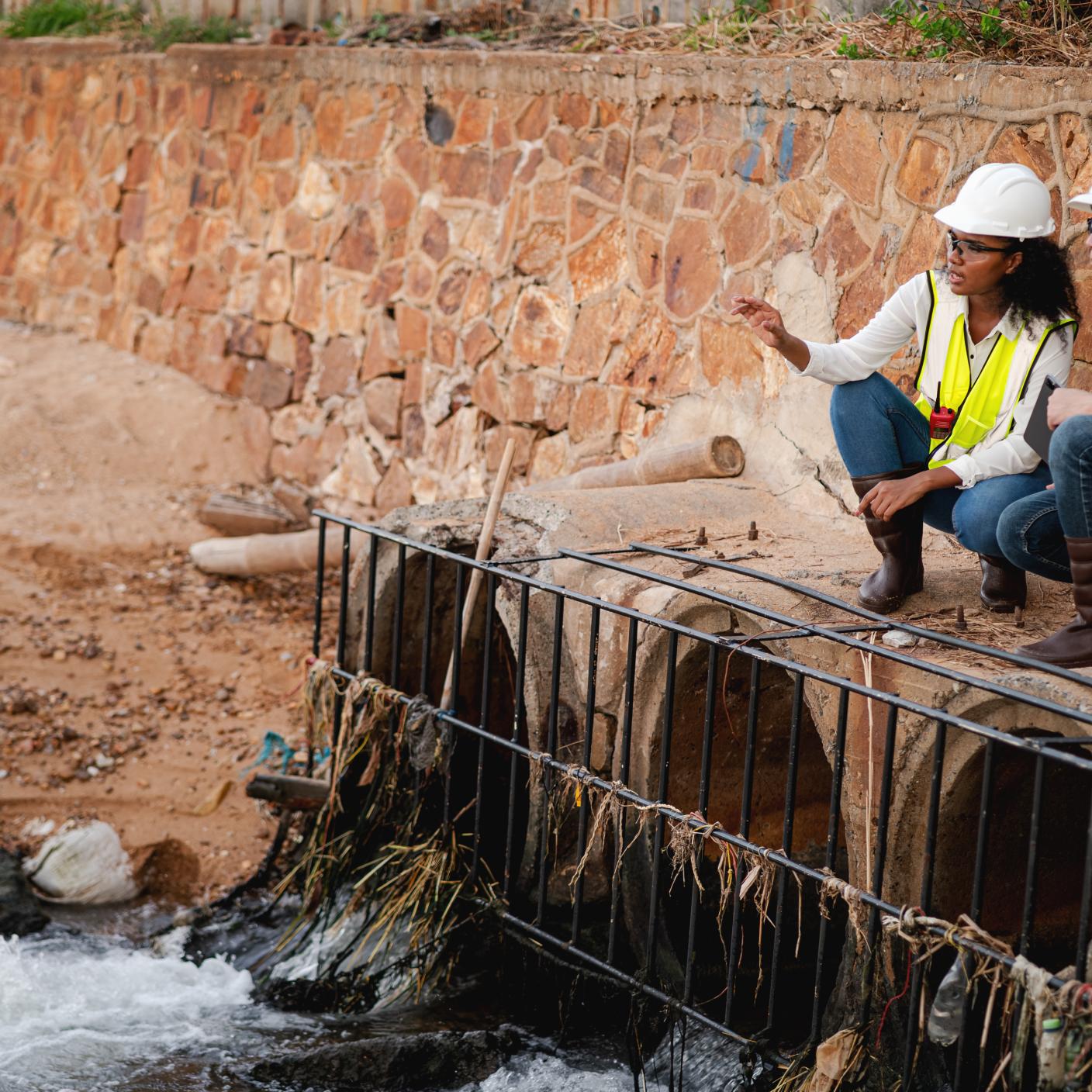
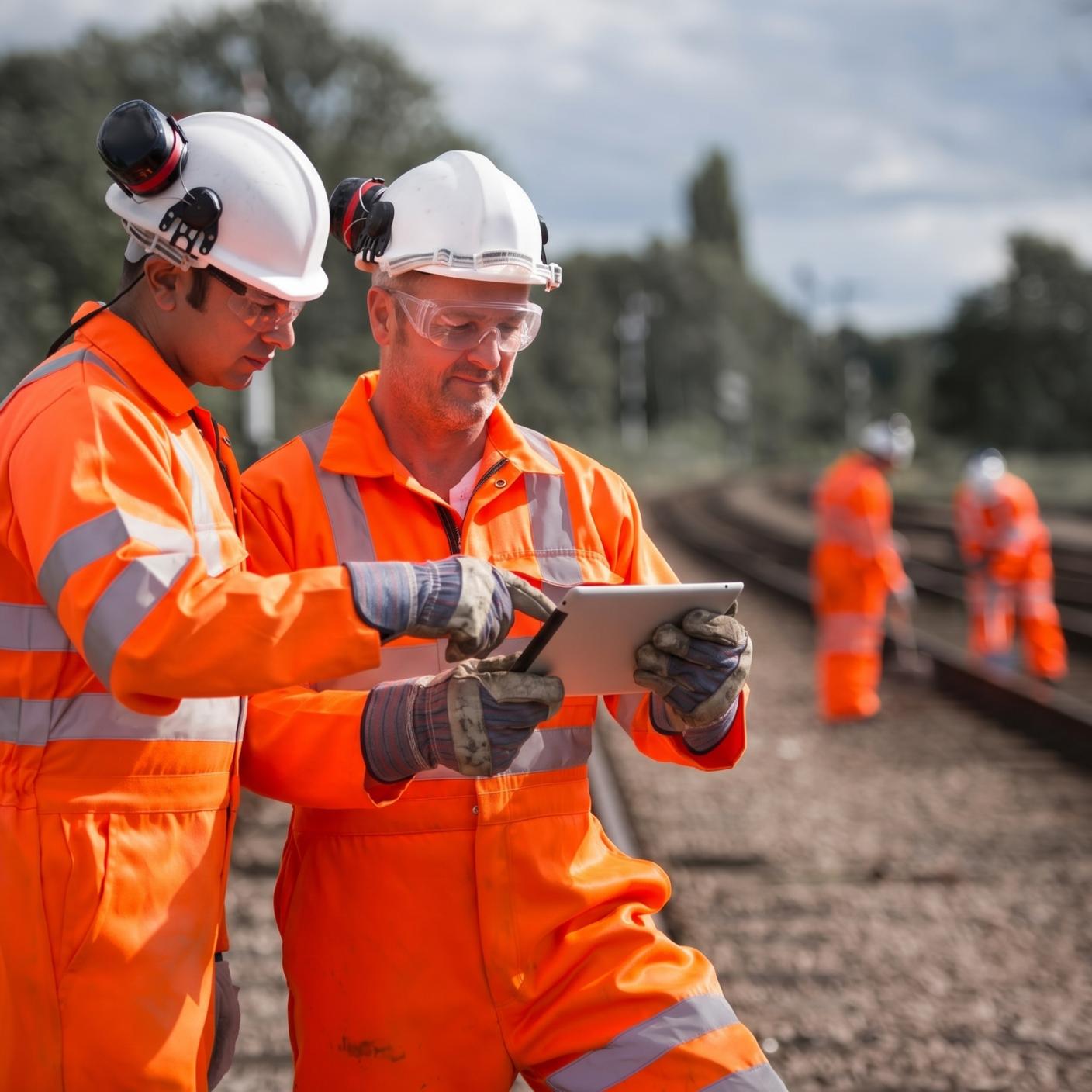
Many robotics projects are planned around the robot: its task, reach, speed, cycle time, and the date it needs to be running. The people who will work with and next to it get less attention even though they are the ones who will interact with the system and its potential hazards. An operator clears a jam or wipes down a guard; a technician opens a panel to swap tooling. Each is doing a normal part of the job, and each may be exposed to hazards that the robot specification alone does not address.
A robot with robust internal safety functions can still be part of an unsafe application because safety depends on the entire installed system. This includes the tasks, materials, tooling, conveyors, sensors, controls, and software, operating environment, and, importantly, how the people will interact with the system.
Start with how people interact with the system
Risk assessments commonly begin with the equipment and its tasks, but they should also consider the people who interact with the system throughout its life cycle.
Engineers teach and program the robot, sometimes while inside the safeguarded space. Operators load and retrieve parts, clear jams, and restart after a stop. Cleaning crews work around the cell, often off-shift and sometimes with limited robot-specific training. Maintenance technicians open panels, swap tooling, and may encounter stored energy that is not readily apparent. Supervisors, visitors, and other employees may walk through aisles shared with autonomous mobile robots.
The key is to identify planned and reasonably foreseeable interactions with the robotic system, including setup, jam clearing, cleaning, inspection, fault recovery, and emergency response, as these are the tasks that put people closest to hazardous energy. A solid robotics risk assessment asks each group some direct questions:
- Why would someone enter the safeguarded space?
- What does someone need to do when the system faults or does not behave as expected?
- Could someone bypass or defeat a safeguard to complete a task more quickly?
- What tasks require safeguards to be suspended, altered, or used differently than during normal operation?
- Where could someone be exposed to hazards that are not present during normal production?
- What happens if someone enters the robot's operating area unexpectedly?
What happens during an emergency?
The goal is to identify how people may interact with the robotic system so appropriate controls can be established and implemented to reduce risk to an acceptable level while maintaining the required functionality.
Understand who is responsible for robot safety
The robot manufacturer is responsible for the robot as a product, and the integrator designs and builds the application. Ultimately, however, the owner and employer operates the completed system. They need confidence that the hazards have been identified and the safeguards function as intended after installation.
In the United States, the Occupational Safety and Health Administration (OSHA) does not have a comprehensive robotics regulation. Employers apply applicable requirements such as machine guarding and control of hazardous energy together with recognized consensus standards. American National Standards Institute (ANSI)/A3 R15.06-2025, harmonized with ISO 10218-1:2025 and ISO 10218-2:2025, addresses the design, integration, commissioning, and operation of industrial robot systems. These consensus standards require risk assessment as a fundamental part of determining whether appropriate risk-reduction measures have been incorporated into the application.
Match safeguards to the application and the people exposed
The safeguards needed will depend on the application and operational needs. Traditional industrial robot applications commonly operate within guarded cells. Collaborative robot applications are designed so people and robots can perform certain tasks within a shared workspace. Autonomous mobile robots (AMRs) travel through areas that may also be occupied by workers, pedestrians, and other vehicles. Emerging robotic technologies, including humanoid robotics, may create additional forms of human-robot interaction.
Depending on the risks involved, safeguards might include physical barriers, interlocked access, presence sensing, speed and separation monitoring, power and force limiting, safety-rated stop functions, lockout/tagout, safety zones, traffic management, floor markings, warning devices, or a redesign of the task or workspace.
Robots marketed as collaborative need extra scrutiny because the word “collaborative” on a brochure says nothing about the safety of an application. Safety depends on the complete system, including the tasks, materials, tooling, payload, speed, force, workspace, and foreseeable human interactions.
Validate the system before startup
Commissioning is when the safety design of the completed system is validated, including all the safeguards and safety functions identified during the risk assessment. This validation should occur before the system is released for operation.
Document testing of the safety functions, verify stopping performance and safeguard operation, and confirm that procedures reflect the work people will actually perform. Operators, maintenance personnel, cleaners, engineers, and other stakeholders can provide valuable input because they often recognize practical interactions that are not apparent from the design documentation.
Training should also match each person’s role. Operators need to understand normal operating limits, alarms, safeguards, and when to stop work. Maintenance and engineering personnel need more detailed knowledge of energy control, fault recovery, programming modes, and temporary changes. Supervisors need to know who owns corrective actions, and which changes require the risk assessment to be reviewed or updated.
Maintain safety throughout the system life cycle
A robotic system that was appropriately safeguarded on startup can change over time. New tooling, production changes, software updates, rerouted AMRs, staffing changes, and informal workarounds can introduce hazards that were not a part of the original assessment.
Management of change, periodic reviews, and an accessible process for workers to report safety concerns help maintain the effectiveness of the original safety design. The risk assessment should also be reviewed when changes occur to determine whether new hazards have been introduced or existing risk-reduction measures remain adequate.
Robotics can improve productivity and quality while reducing people’s exposure to repetitive, hazardous, or physically demanding work. Those benefits are more sustainable when safety is considered from initial design through commissioning and daily operation.
Before go-live, ask who a simple question: Who will be standing next to this robot at 3:00 am, and does the design protect them?