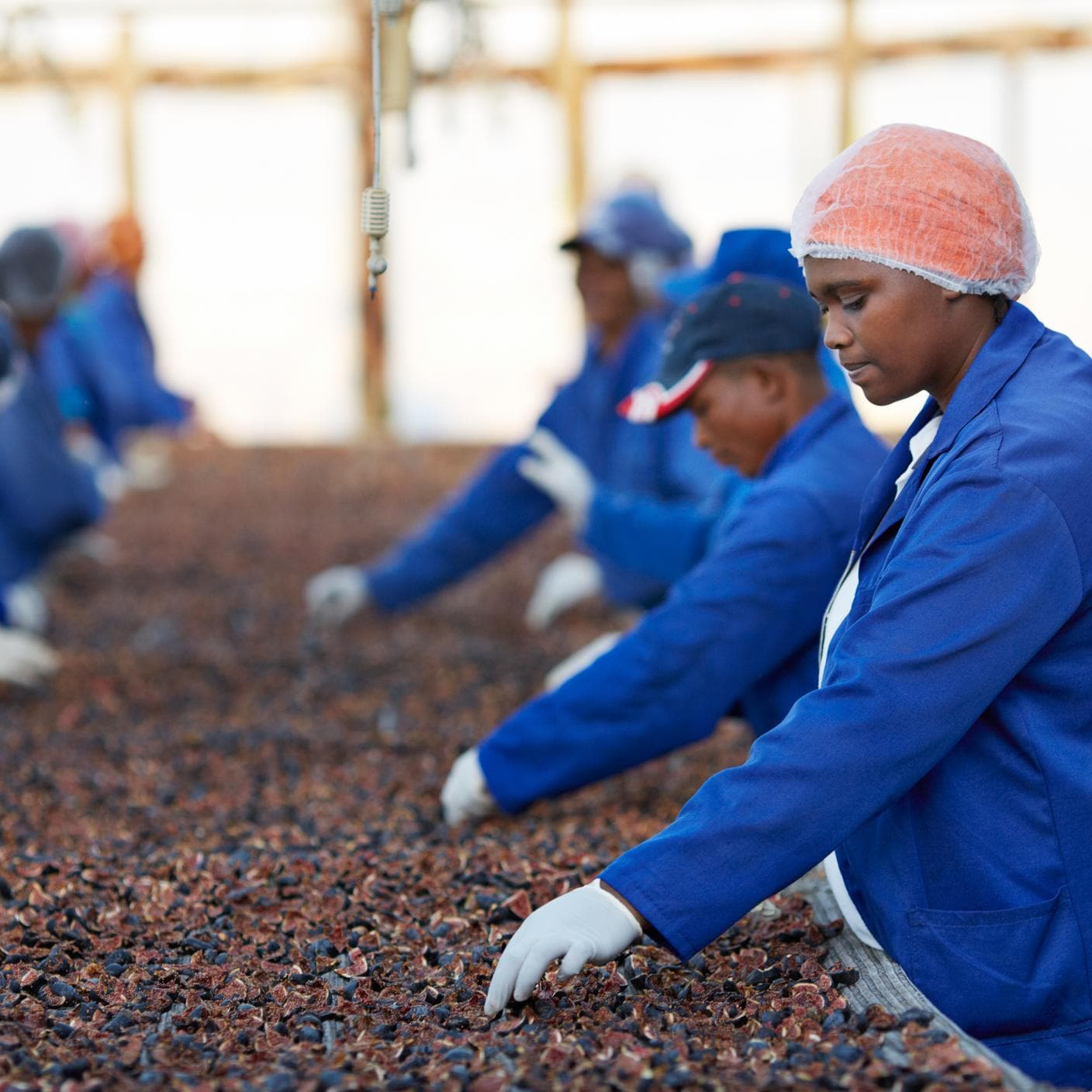
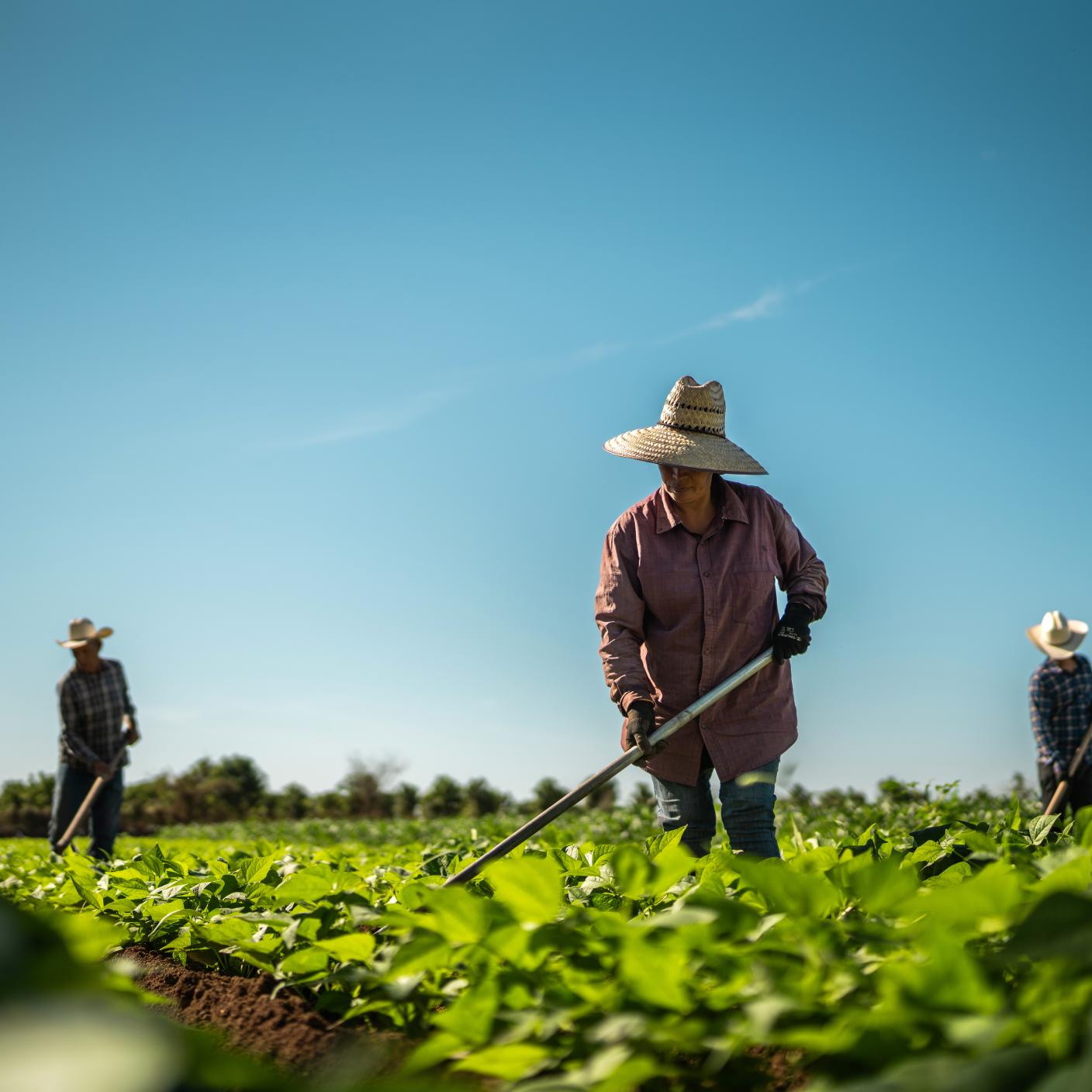
I've spent much of my career helping organizations navigate risk, resilience, and trust. While those topics are often associated with operational disruptions, supply chain challenges, or cyber threats, there is another risk that deserves far greater attention: human dignity.
Modern slavery is not a relic of history. It exists today, in every region of the world, and in ways that are often hidden in plain sight.
We should all understand the scale of this crisis. According to the International Labour Organization (ILO), 50 million people were living in modern slavery in 2021, including 28 million in forced labor — 10 million more than five years earlier. The crisis persists in part because exploitation remains highly profitable, with forced labor generating an estimated $236 billion in illegal profits annually worldwide.
Behind every statistic is a person deprived of choice, freedom, opportunity, and basic human rights. But what strikes me most is how disconnected many of us feel from it.
We tend to think of human trafficking and forced labor as distant issues affecting someone else. Yet global supply chains, labor markets, migration patterns, and consumer demand connect us more closely than we realize.
These risks are not confined to distant or unfamiliar markets. Labor rights concerns can also exist within US supply chains, especially in industries that rely on seasonal, temporary, outsourced, or subcontracted labor. Because these vulnerabilities often sit deep within supplier networks, organizations need to look beyond geography and examine where people may be most exposed to exploitation. (Read US Supply Chains Face Mounting Labor Rights Risks.)
The products we buy, the services we consume, and the organizations we support all exist within complex systems that can either help protect vulnerable people or unintentionally expose them to exploitation.
That is why I believe this conversation belongs not only in government offices or nonprofit organizations but also in boardrooms, workplaces, houses of worship, and communities.
Every person possesses inherent worth and dignity. Human trafficking and modern slavery represent a direct violation of that principle. They reduce people to commodities and place profit above humanity.
From a business perspective, the issue is equally compelling.
Over the last decade, expectations from regulators, investors, customers, and employees have shifted. What was once a voluntary commitment to ethical sourcing is increasingly becoming a legal and operational requirement.
Legislation such as the UK Modern Slavery Act, Australia's Modern Slavery Act, California's Transparency in Supply Chains Act, the US forced labor import provisions, and emerging human rights due diligence requirements in Europe are raising expectations for how organizations identify and address risks throughout their operations and supply chains. (Read Global Human Rights Regulations at a Glance.)
But compliance alone is not enough.
Protecting human rights includes building accountability, improving supply chain visibility, and using responsible procurement practices.
In many ways, this mirrors what we've learned at BSI Consulting in other areas of resilience and risk management. Sustainable progress happens when organizations embed principles into how they operate every day.
Governments play a critical role through policy, enforcement, and international cooperation. Businesses can increase transparency and strengthen due diligence. Faith organizations can mobilize communities. Universities can advance research and education. Technology innovators can develop tools for detection and prevention.
No single group can solve the problem alone.
This challenge may feel overwhelming at times, but history teaches us that meaningful progress begins when enough people decide that a problem is unacceptable.
I look forward to continuing that conversation and learning from others who are committed to building a future where human dignity is protected, respected, and never treated as optional.
If this issue matters to you, I encourage you to learn more, engage in the conversation, and explore how your organization can strengthen its commitment to human rights and human dignity.
Download From policy to practice: Fighting worker exploitation throughout global supply chains to gain knowledge on how to take meaningful action towards eradicating modern slavery.