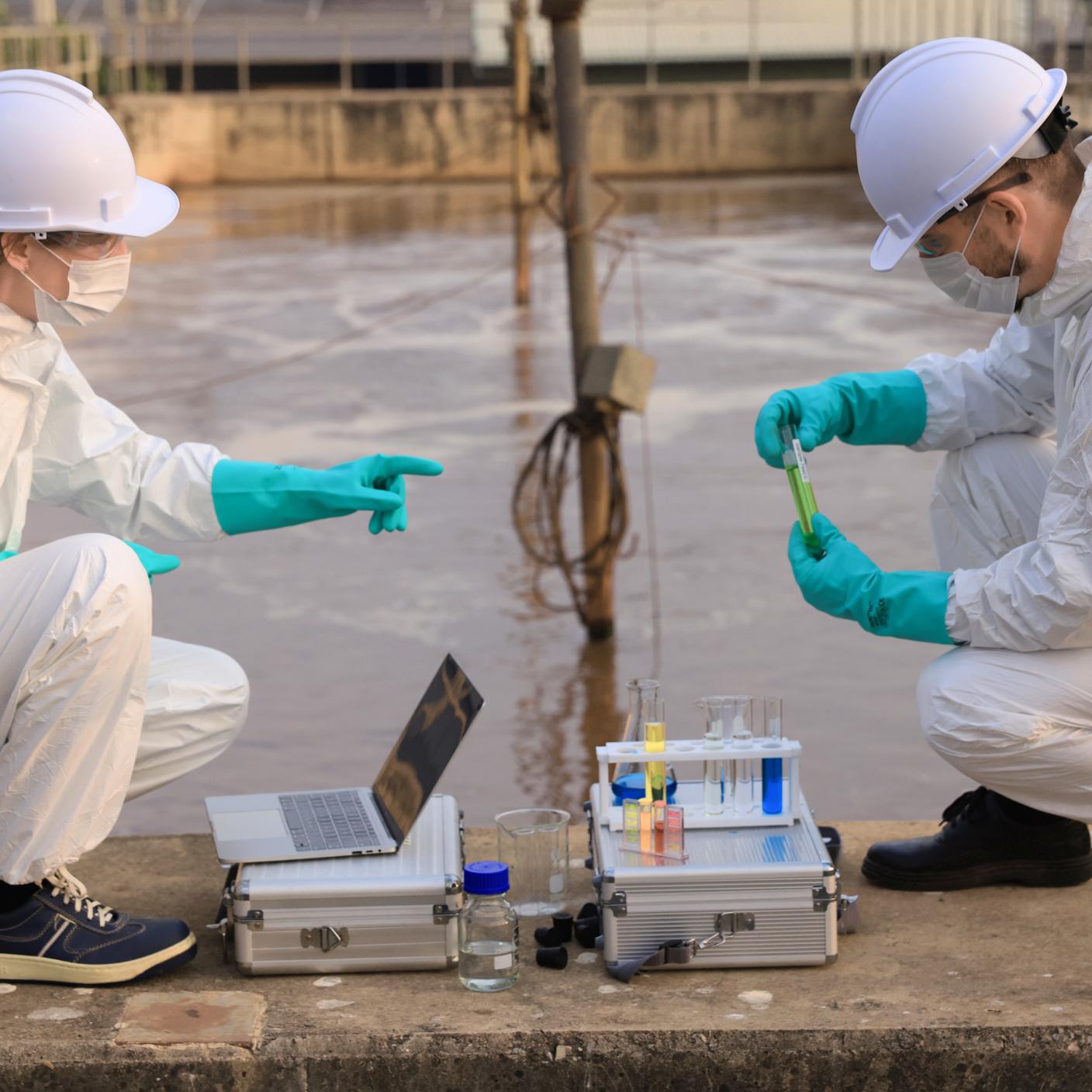
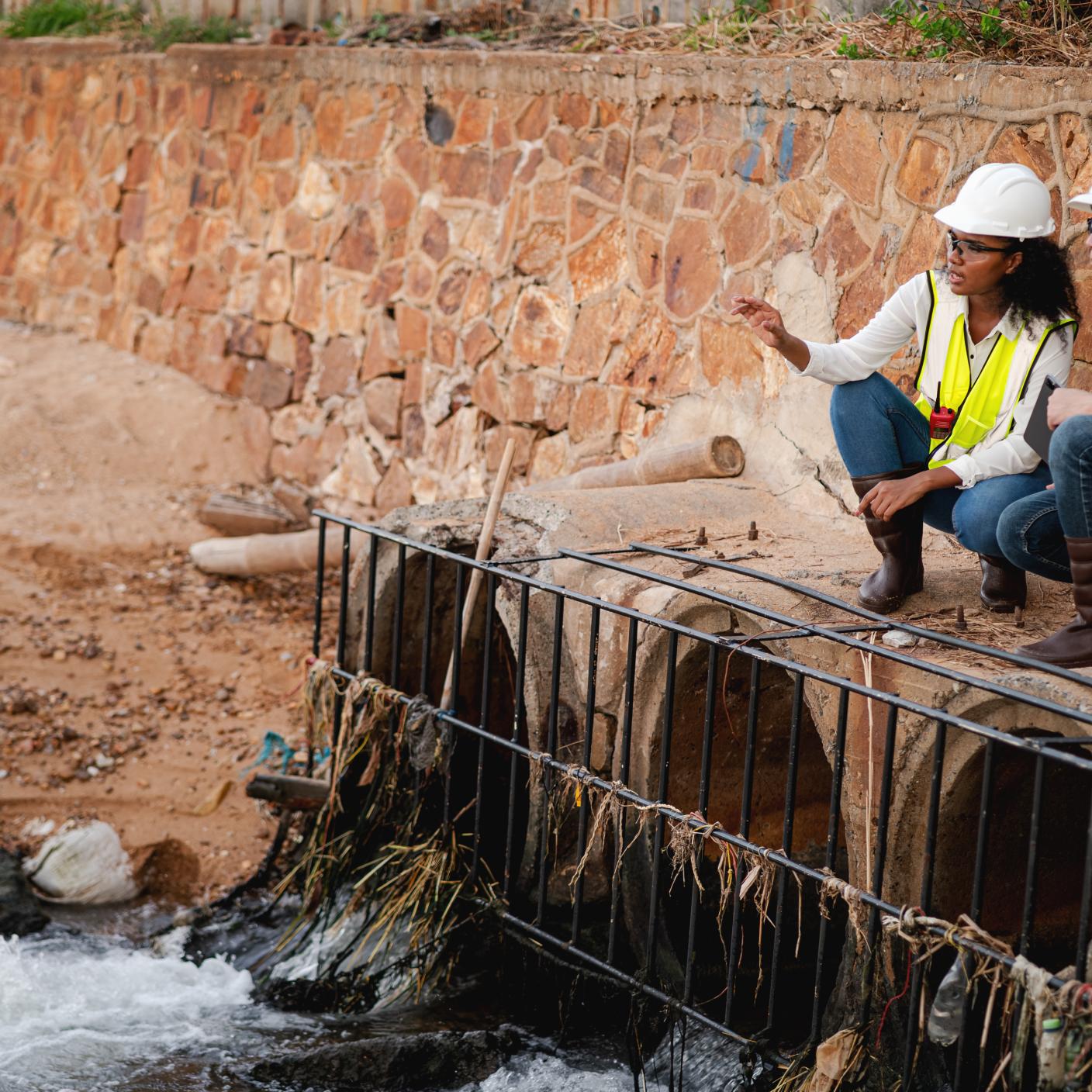
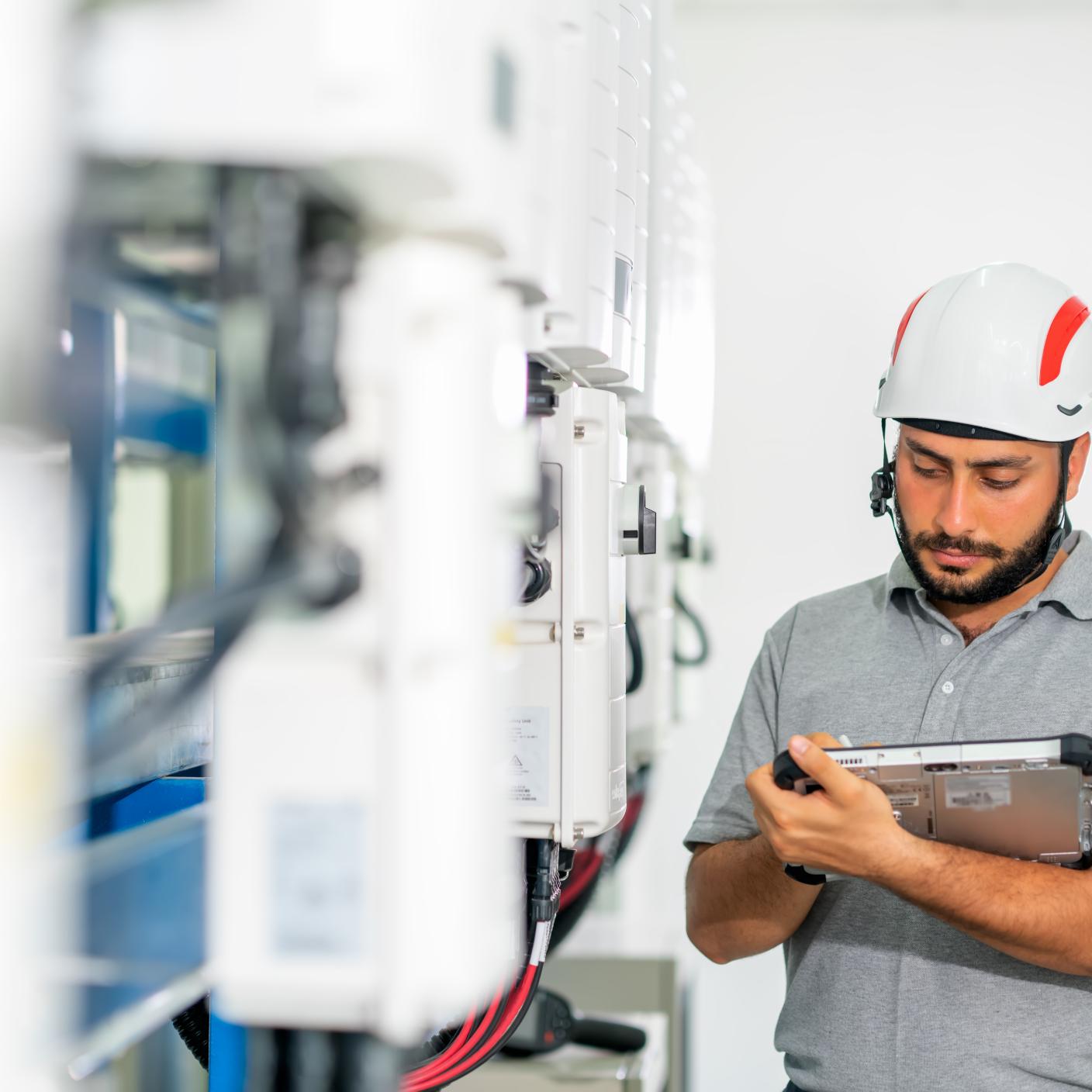
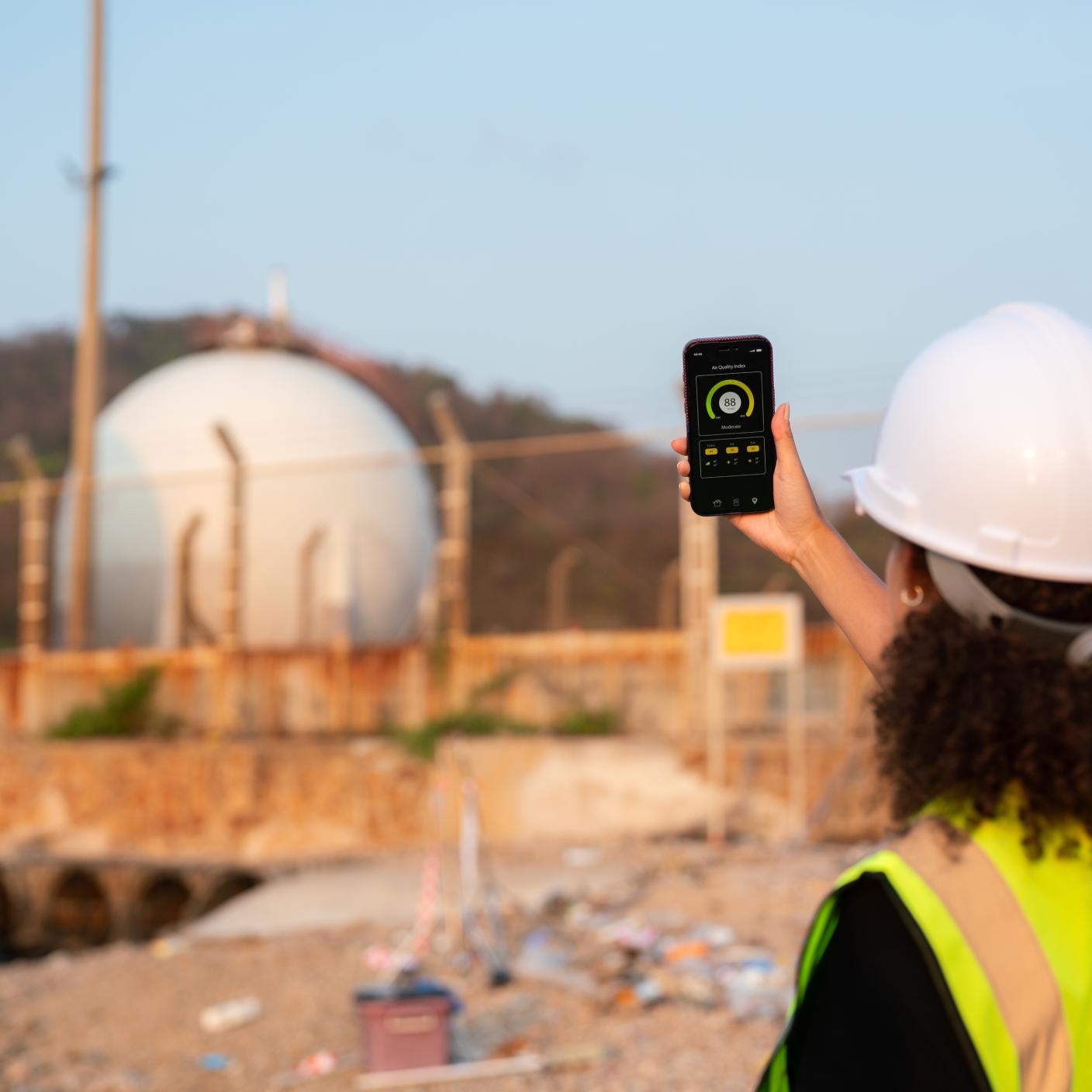
Step inside a chemical manufacturing facility, and it quickly becomes clear how complex the work can be. Raw materials are received and transferred, operators charge reactors or blending vessels, samples move through laboratories, finished products are packaged, and maintenance teams open equipment that may contain residues. Each activity can create a different exposure profile even when it involves the same substance.
Industrial hygiene in chemical manufacturing involves anticipating, recognizing, evaluating, and controlling exposures as work happens. Safety data sheets and chemical inventories establish an important baseline, but they do not establish actual employee exposures under site-specific operating conditions. That requires direct observation, employee input, and exposure monitoring designed around real operating conditions.
The risks vary by facility and product line, but these five industrial hygiene challenges deserve close attention across batch, continuous, specialty, and formulation operations.
1. Vapors, gases, and mists: Exposure can change with the process
Chemical manufacturing can generate airborne contaminants during charging, reacting, sampling, transferring, filtering, drying, cleaning, and packaging. Volatile organic compounds, acid or caustic mists, process gases, and reaction byproducts may be released at connections, open hatches, vents, sampling points, or equipment that is not performing as intended.
The most significant exposure is not always tied to normal production. A brief line break, manual addition, spill cleanup, or off-specification batch can create a short-duration peak that routine area sampling may miss. High-value questions include where materials are opened, poured, sampled, disconnected, or vented; which tasks produce short-term peaks; whether monitoring reflects startup, shutdown, upset, and cleaning conditions; and whether engineering controls protect workers from their actual position.
2. Skin exposure: The route that monitoring programs can overlook
In chemical operations, inhalation often receives the most attention, but skin exposure may be equally important. Liquids and residues can reach employees through splashes, repeated contact with contaminated tools or surfaces, or chemicals permeating gloves and protective clothing. Some substances can cause irritation, burns, or sensitization; some may also be absorbed through the skin and cause systemic effects.
The challenge is that dermal exposure can look routine: wiping a fitting, handling a hose, collecting a sample, changing a filter, or removing contaminated personal protective equipment (PPE). A stronger dermal program uses manufacturer permeation and degradation data for the chemicals and mixtures handled to select gloves and protective clothing, with replacement procedures matched to actual task conditions. Permeation may occur without visible damage. Safe PPE removal and suitable washing or emergency decontamination facilities are also essential.
3. Dusts and powders: Small particles, broad consequences
Not every chemical manufacturing exposure is a vapor. Powder handling, bag dumping, milling, blending, drying, screening, and packaging can generate airborne particulate. Dust may remain suspended, settle on surfaces, migrate into adjacent work areas, or become resuspended during housekeeping and maintenance.
Visibility is not a reliable measure of control. Fine particles may be difficult to see, and exposure can vary with particle size, moisture, drop height, transfer speed, enclosure integrity, and ventilation. Priority observations include how containers are opened and emptied, whether transfer systems remain closed, where dust accumulates or escapes, how spills are cleaned, and whether maintenance work bypasses containment.
4. Non-routine work and confined spaces: Residual hazards are still hazards
Turnarounds, equipment opening, line breaking, vessel cleaning, catalyst changeout, filter replacement, and confined space entry can produce some of a plant’s most variable exposures. Equipment that appears empty may still contain vapor, residue, scale, sludge, or trapped material. Purging and isolation reduce risk, but conditions can change when deposits are disturbed or cleaning chemicals are introduced.
Tanks, reactors, pits, sumps, and other enclosed areas can combine atmospheric hazards with heat, restricted movement, limited visibility, and difficult rescue access. Effective planning should define the equipment’s process history, isolation and cleaning steps, atmospheric testing locations, continuous monitoring needs, and how contractor activities or simultaneous operations will be coordinated.
5. Noise, heat, and ergonomics: Physical stressors compound chemical risk
Pumps, compressors, centrifuges, dryers, mills, ventilation systems, packaging lines, and utilities can create significant noise. Exposure may vary as employees move between production areas or work close to equipment during troubleshooting and maintenance. Without task-based dosimetry or representative monitoring, intermittent high-noise work can be underestimated.
Heat can cause serious illness as well as impair performance. Assess environmental heat, workload, clothing, and acclimatization together; chemical-protective clothing may increase heat burden. Controls include cooling, appropriate work-rest schedules, hydration, acclimatization, and emergency response procedures. Drum handling, hose movement, bag dumping, sampling, valve operation, and repetitive packaging can require forceful exertion, awkward posture, or repeated motion. Task redesign and mechanical handling aids can reduce ergonomic demands. IH evaluations should consider combined conditions and verify that controls do not create new hazards.
Why industrial hygiene must remain visible in chemical manufacturing
Chemical manufacturing depends on repeatability, but exposure conditions are rarely static. Formulations change. Production rates increase. Equipment ages. Temporary connections become common practice. Maintenance scopes expand. Contractors bring different methods. When those changes are not reflected in exposure assessments, an industrial hygiene program can look complete on paper while missing what employees experience in the field.
The strongest programs connect chemical information with task observation, employee feedback, exposure data, control verification, and change management. They distinguish routine operation from short-duration, non-routine, and upset conditions. They apply the hierarchy of controls by considering elimination and safer substitution first, then engineering controls such as enclosed transfer and local exhaust ventilation, supported by administrative controls and appropriately selected PPE. Follow-up exposure assessment and control checks help verify that improvements work.
Industrial hygiene is ultimately about clarity: knowing what employees may encounter, how exposure occurs, which conditions increase risk, and whether controls work consistently across shifts and operating modes. In a chemical plant, that clarity supports worker health, reliable production, informed decision-making, and stronger operational resilience.
Our Services
Industrial Hygiene and Occupational Health Consulting
EHS On-site Advisor Service
Optimize Business Performance through Safety