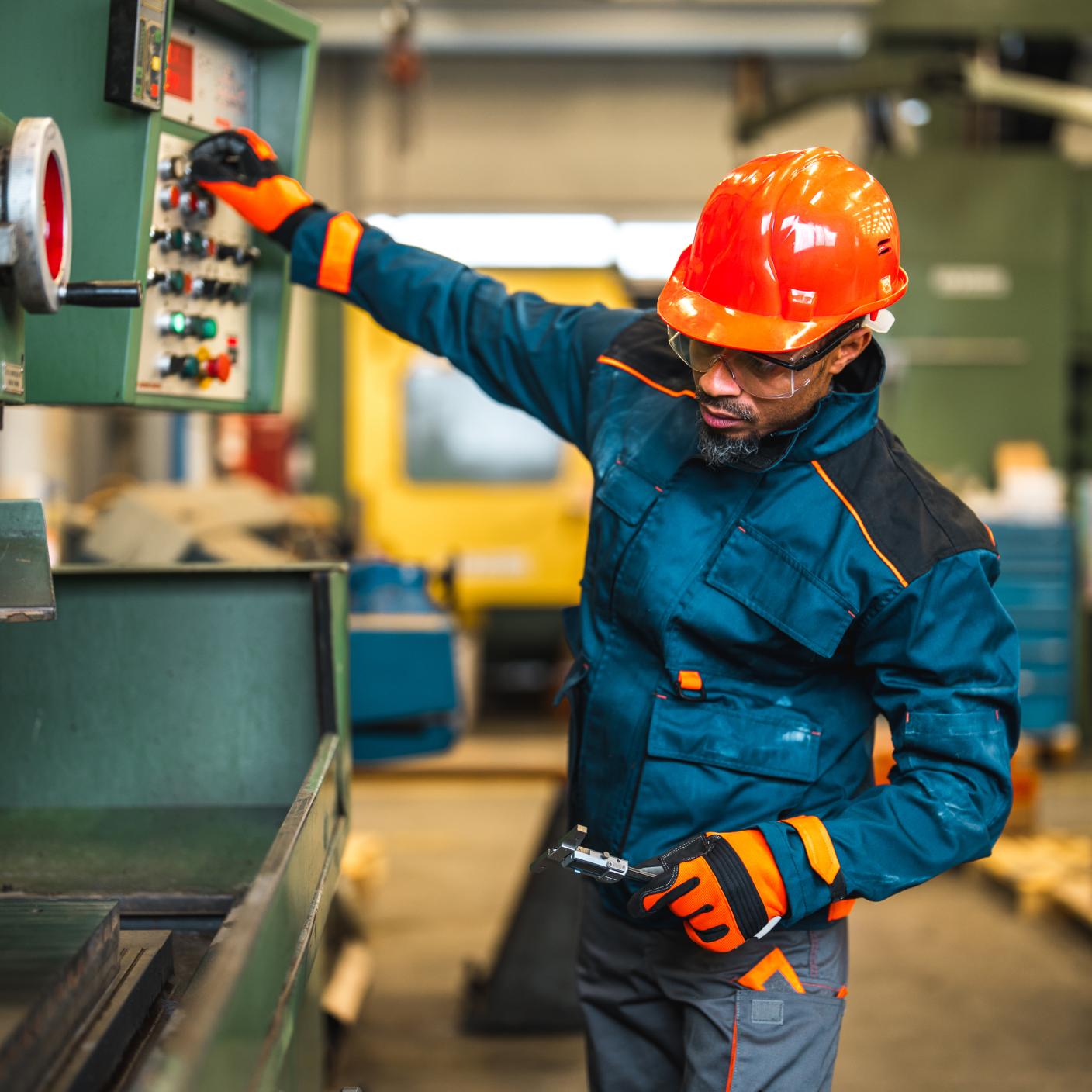
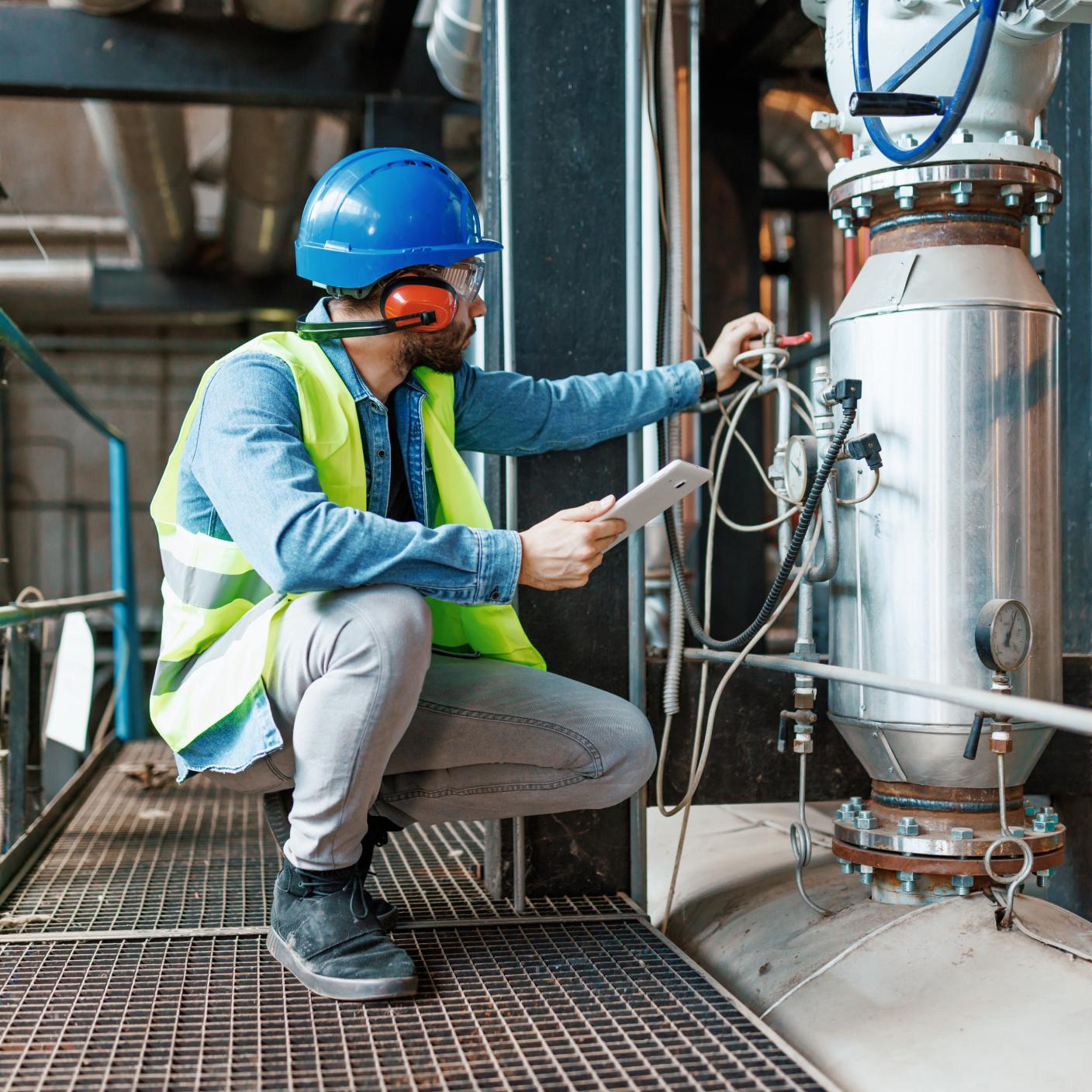
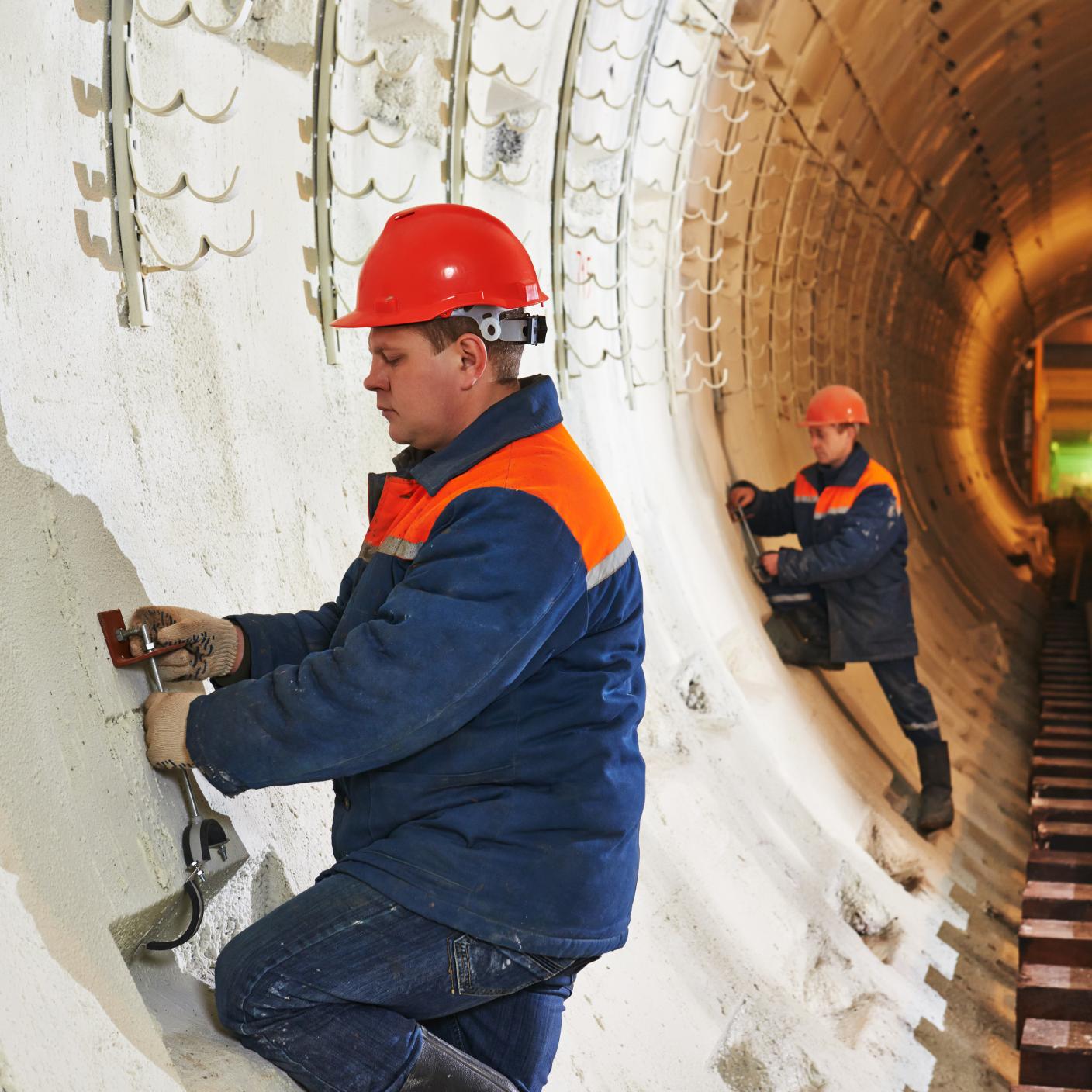
Unlike outdoor environments, indoor workplaces can accumulate heat over time due to poor ventilation, high ambient temperatures, and heat-generating equipment. This can lead to unexpected and prolonged exposure to heat, increasing the risk of heat-related illnesses such as heat exhaustion and heat stroke.
Why indoor heat is a growing concern
The California Office of Environmental Health Hazard Assessment reports that occupational heat-related illnesses have continued to increase in California, with nearly 6,000 emergency department visits for work-related heat illness between 2016 and 2023.
Employees working indoors may not always recognize the dangers of heat until symptoms escalate, making prevention and monitoring especially critical. Even at temperatures below the regulatory thresholds for protective measures, employees can experience symptoms such as headaches, fatigue, and nausea, which can escalate quicky to more serious types of heat illnesses.
Current requirements
Cal/OSHA’s indoor heat illness prevention requirements (Title 8, §3396) officially went into effect in July 2024. The standard covers a wide range of indoor work environments, including manufacturing floors, data centers, distribution centers, commercial kitchens, warehouses, and enclosed service spaces.
Key aspects of §3396 that differ from Cal/OSHA’s outdoor heat illness prevention standard (§3395) include:
- Temperature thresholds: With certain exceptions, employers must implement protective measures when indoor temperatures reach 82°F when employees are present. Additional controls are required when either of the following apply:
- The temperature or heat index equals or exceeds 87°F when employees are present.
- Employees wear clothing that restricts heat removal or work in high radiant heat areas, and the temperature equals or exceeds 82°F.
- Engineering controls: While the outdoor standard relies primarily on shade and natural ventilation to provide employees relief from the heat, engineering controls (e.g., isolation of hot processes, isolation of employees from sources of heat, air conditioning) play a more primary role to achieve this for indoor work locations. This increases the importance of ensuring that heating, ventilation and air-conditioning (HVAC) systems are maintained and functional and high-radiant heat sources are identified and shielded when necessary.
- Measurements or implement controls: Unlike §3395, the indoor heat standard allows employers the choice to either assess indoor work areas through temperature and heat index measurements to determine whether controls are required or assume threshold temperatures or conditions are present and implement engineering controls, administrative controls, and/or the use of personal heat protective equipment (PHPE).
- Cooldown areas: The requirements for cooldown areas in §3396 differ in several ways. While outdoor areas can meet the definition of a cooldown area in the right conditions, §3396 requires that these areas also be shielded from high-radiant heat sources. Additionally, when indoor locations are used as cooldown areas, they must be maintained at temperatures less than 82°F.
- Location of water: In addition to the requirement of having clean, fresh water located as close as possible to work areas, §3396 also requires water to be provided at the designated cooldown areas.
Proposed revisions
Released by Cal/OSHA in May 2025 and currently in progress, the proposed changes to §3396 are to integrate requirements in Assembly Bill (AB) 2243. Revisions to §3395 were also proposed at this time to meet the requirements in AB 2243. Key proposed revisions include:
- Acclimatization: Employers have new obligations to provide new and returning employees who are not acclimated to hot work environments with administrative controls (buddy system, work schedule adjustments) and, if required, the use of PHPE for five working days, or:
- For new employees, restrict heat exposure to < 20% of the usual work duration on the first day of work, 40% on the second day of work, 60% on the third day of work, and 80% on the fourth day of work.
- For returning employees away for more than 14 days, restrict heat exposure to < 50% of the usual work duration on the first day of work, 60% on the second day of work, and 80% on the third day of work.
- Written Heat Illness Prevention Plan (HIIP): New requirements would include distribution of the HIPP to new employees upon hire, during heat illness prevention training, and to every employee at least once per year.
Challenges for employers
Many employers underestimate indoor heat risks because these work environments feel “controlled.” However, overlooked challenges unique to indoor work locations can make compliance more complex than expected:
- Controlling indoor temperatures: Temperatures in certain types of indoor work locations that may also be open to the outdoors (e.g., warehouses, loading bays, fleet service bays) can be difficult to control. Even with effective HVAC equipment, additional controls may be necessary to effectively protect workers.
- Aging infrastructure and ventilation limitations: Older buildings often lack adequate airflow or modern HVAC systems, making it difficult to effectively reduce heat without significant upgrades.
- Heat generated by processes and equipment: Machinery, equipment, ovens, and production lines can create localized indoor “hot spots” and elevate overall temperatures in work areas.
- Inaccurate temperature monitoring: Relying on occasional, generalized, or one-time checks instead of continuous or routine monitoring can lead to inaccurate exposure risks.
Additionally, employees and supervisors may not be effectively trained on the risks, sources, and control measures for indoor heat, which can delay recognizing the early signs of these illnesses or when to act, especially since the risks of indoor heat are less well known.
Addressing these challenges directly through effective hazard assessments, planned control measures, and training can significantly reduce risk and improve overall compliance.
Best practices beyond compliance
Employers should go beyond minimum requirements by implementing additional safeguards such as:
- Real-time heat monitoring technology.
- Wearable devices to track worker heat exposures and loads.
- Regular heat hazard assessments and audits.
These measures not only enhance safety but also demonstrate a strong commitment to employee well-being and reinforce a positive safety culture.
Indoor heat exposure is a rising safety and productivity risk. Beyond regulatory compliance, strong controls will:
- Protect workers’ health and reduce medical incidents.
- Improve productivity and reduce downtime.
- Demonstrate leadership to employees, regulators, and customers.
- Reinforce a positive organizational safety culture.
Indoor heat illness is a serious and often overlooked hazard, but it is preventable. Cal/OSHA’s indoor heat standard provides a clear framework for protecting workers, but success depends on consistent and effective implementation, ongoing evaluation, and at times, creative solutions tailored to the work environment.
By prioritizing heat illness prevention indoors, employers can create safer, more resilient workplaces regardless of how high the temperature rises.