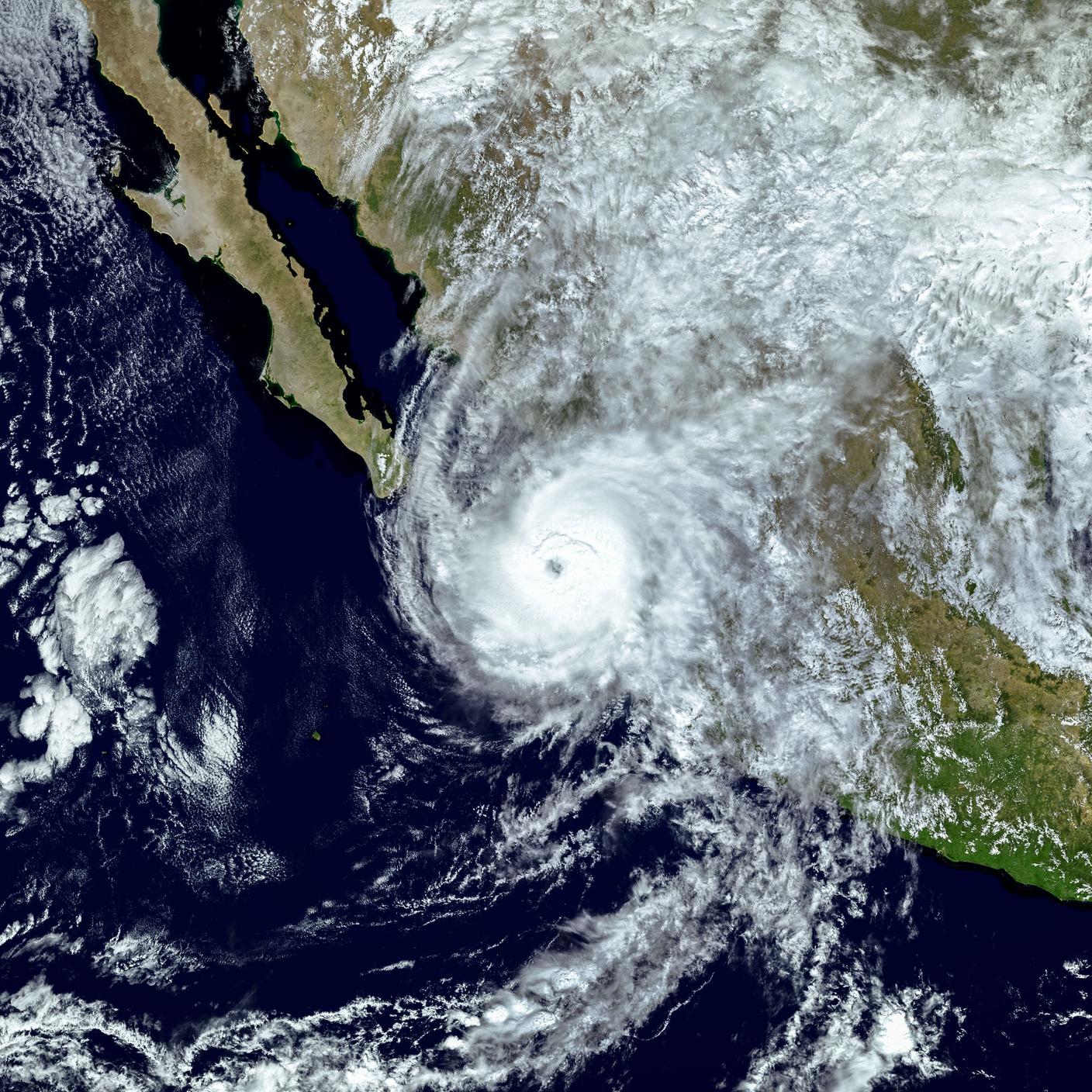
You may have noticed recent headlines about a possible “super El Niño” and mentally filed it under ”weather to monitor.“ That instinct is exactly what this moment is here to test.
Columbia University's International Research Institute is now putting the probability of El Niño developing by June at 70%, rising to 94% that it persists through year’s end.
What is El Niño, and why does “super” matter?
El Niño is a recurring climate pattern driven by unusual warming in the Pacific that reshapes weather systems globally. It occurs every two to seven years, lasting between nine and 12 months. During El Niño, trade winds weaken, warm water spreads east, and weather systems across the globe shift in response. Droughts intensify in some regions, floods worsen in others, and storm and hurricane patterns change.
A super El Niño amplifies all of that. Nathaniel Johnson, a member of the National Oceanic and Atmospheric Administration (NOAA) forecasting team, says that this year’s event could shatter existing records. Some models show that global temperature anomalies could temporarily breach 2°C (3.6°F) above pre-industrial levels for the first time in recorded history. That would push the world toward climate tipping points that scientists have spent decades warning about.
Challenging traditional continuity assumptions
Many Business Continuity Plans (BCPs) still assume disruption will be localized or short lived. Yet, these extreme weather events prove the opposite: simultaneous, widespread, and prolonged disruption quickly exposes recovery gaps and untested assumptions, particularly those that haven't been critically assessed in years or ever (learn more in Resilience Takes More Than a Business Continuity Plan).
What El Niño highlights for organizations
Strong El Niño events have historically been linked to extreme weather disruptions across multiple regions at the same time. In 2025 alone, the US recorded 23 separate billion-dollar weather disasters causing more than $115B in damages. El Niño years push that baseline higher. For organizations, this can mean:
- Safety impacts for your people, facilities, and field operations.
- Supply chain disruption beyond tier one suppliers.
- Power, transportation, and connectivity issues.
- Reduced workforce availability and employee well-being impacts.
- Prolonged recovery timelines rather than short outages.
None of these risks are new. What has changed are their likelihood, frequency, and tendency to coincide, resulting in compressed capacity for response and recovery.
Is your plan fit for this?
What can organizations do now ahead of these climate changes?
- Stress‑test BCPs against overlapping operational disruptions, including validating Business Impact Analyses (BIAs) to surface vulnerabilities and gaps. This will inform where mitigation and preparedness plans are needed.
- Consider climate and weather impacts alongside cyber and geopolitical risk.
- Enable faster decision-making when conditions change faster than plans.
Whether this El Niño becomes “super” or not, simultaneous, prolonged, widespread disruption is the scenario we need to plan for.