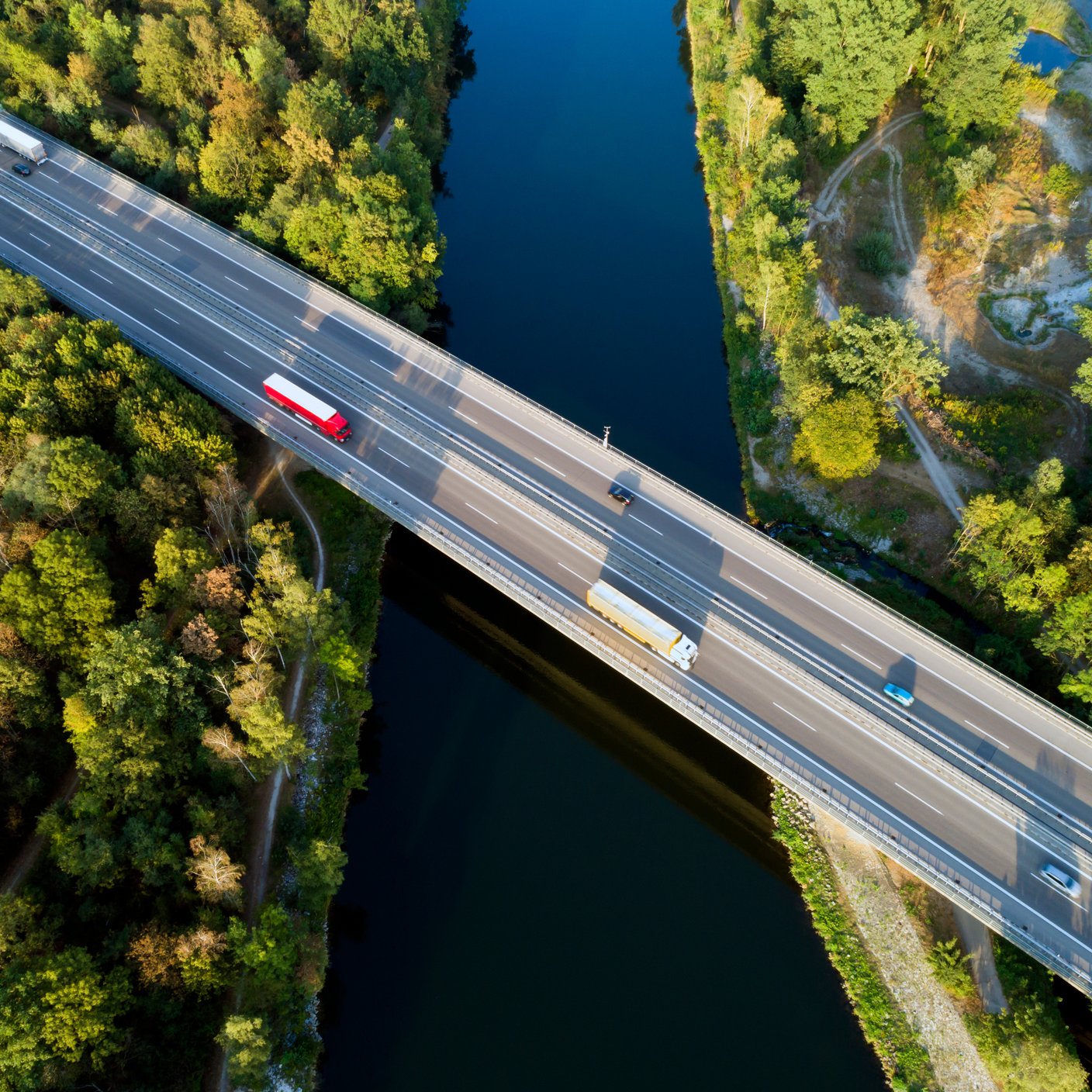
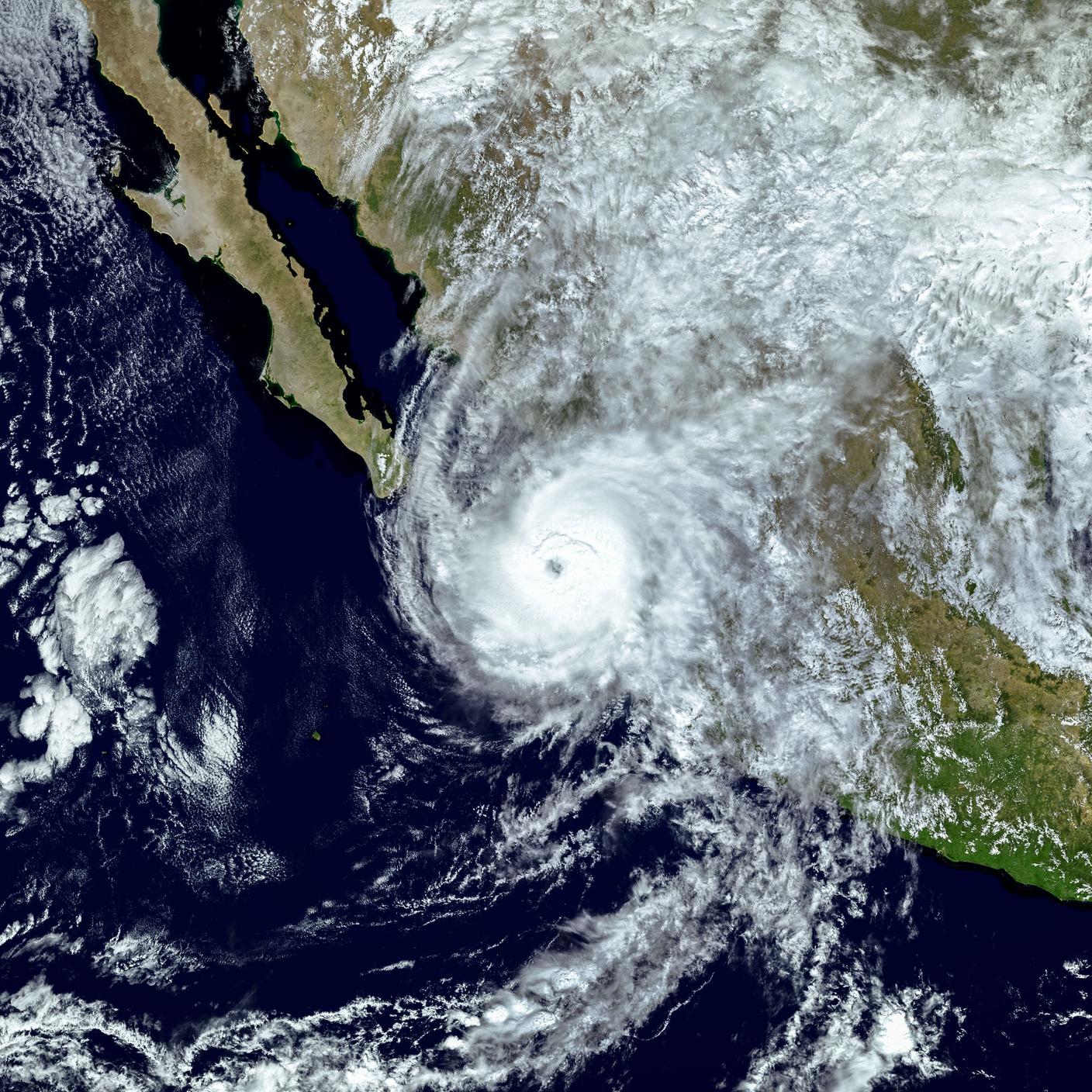
If you're moving freight into North or Latin America, specifically Mexico, you're entering one of the world's highest-risk cargo theft environments. Mexico accounts for 28% of global hijackings, and 73% of thefts there involve violence. Some global organizations expanding operations into this region have learned the hard way.
What’s changed?
The United States’ nearshoring focus is redrawing the freight map of North America. A surge in goods flowing from China and Southeast Asian countries to Mexico has brought a wave of new freight forwarders and logistics operators into the region. While these operators bring valuable expertise, their unfamiliarity with Mexico's unique freight crime landscape exposes them to more risks.
Organizations are moving operations deep into Mexico. For example, a manufacturer that typically runs trucks between Monterrey and the border now suddenly has freight moving through Puebla or Mexico City. Perhaps an auto parts supplier who understood local risks now faces a completely different threat environment 500 miles away.
If your freight strategy includes Mexico or expanding deeper into this region, cargo security needs to be part of your market entry plan. Many organizations only address cargo security after losing high-value loads or after drivers have been threatened. Cleanup is more time-consuming, more costly, and typically delivers far worse outcomes than planning ahead.
Understanding cross-border threats
Canada and the US
Canada and the US look very similar in terms of cargo-related risk, with strategic theft outpacing opportunistic crimes. Criminals are impersonating legitimate carriers and stealing identities. They're using recently shut down or out-of-business carriers to work with brokers to get cargo brokered to them with no intention of delivering. This form of theft is now extremely common in America.
Mexico
Mexico faces some of the world's most aggressive freight crime operations. Mexico ranks among the top three countries globally for cargo theft. Trucking accounts for 94% of incidents, and 73% involve violence: hijackings, staged accidents, armed robbery, and drivers forced from cabs at gunpoint.
The risk intensifies further into Mexico, particularly in an area known as the “Red Triangle” in Puebla. This region has strategic importance for transporters and has become one of the country's most significant cargo theft hotspots. Highway 150D, which connects Mexico City, Puebla, and Veracruz, recorded 161 incidents in just three months, with Puebla accounting for 95% of those thefts. What worked at the border won't protect operations hundreds of miles inland.
What thieves are after
Food and beverages are the most targeted commodity in Mexico, accounting for 33% of thefts in 2024. Consumer products follow at 14%, with fuel at 11% and pharmaceuticals at 6%.
The reason comes down to how easily stolen goods can be flipped. Steal pharmaceuticals, and buyers ask questions about where they came from. Steal a truckload of frozen seafood or beverages, break it down, and distribute it to restaurants and corner stores, and nobody asks. The evidence gets consumed within weeks.
Mexico does see higher rates of pharmaceutical theft than most countries (6% to 7% versus 1% to 2% elsewhere) along with electronics and other high-value goods. The threat landscape covers almost every commodity, which makes it particularly challenging for freight planners.
Swiss cheese approach
You shouldn’t rely on a single solution to security. Global Positioning System (GPS) tracking on your trailers is great, but what happens when thieves disable it?
Think of freight security like slices of Swiss cheese. Each layer has holes (vulnerabilities), but when you stack enough slices together, those holes don't line up. You create a much more solid defense.
In Mexico especially, this means:
- Pre-shipment: Multiple container checks at the supplier, tamper-evident seals, and verified loading procedures.
- In-transit: GPS tracking, designated route protocols, no-stop policies for drivers, and panic buttons.
- Response: Strong law enforcement contacts, clear escalation procedures, and remote door locks or engine immobilizers.
Thieves targeting freight in Mexico are creative and adaptive. They'll find ways around your latest security measure. But if they must get through five or six different protections to steal your load, most will move on to easier targets.
Act now
The best time to implement layered freight security was before your first cross-border shipment. The second-best time is now. If you're expanding freight operations into Mexico, treat cargo security as part of your logistics or resilience strategy.
Learn more about this topic in Freight Crime in Mexican Supply Chains: TT Club and BSI Consulting.