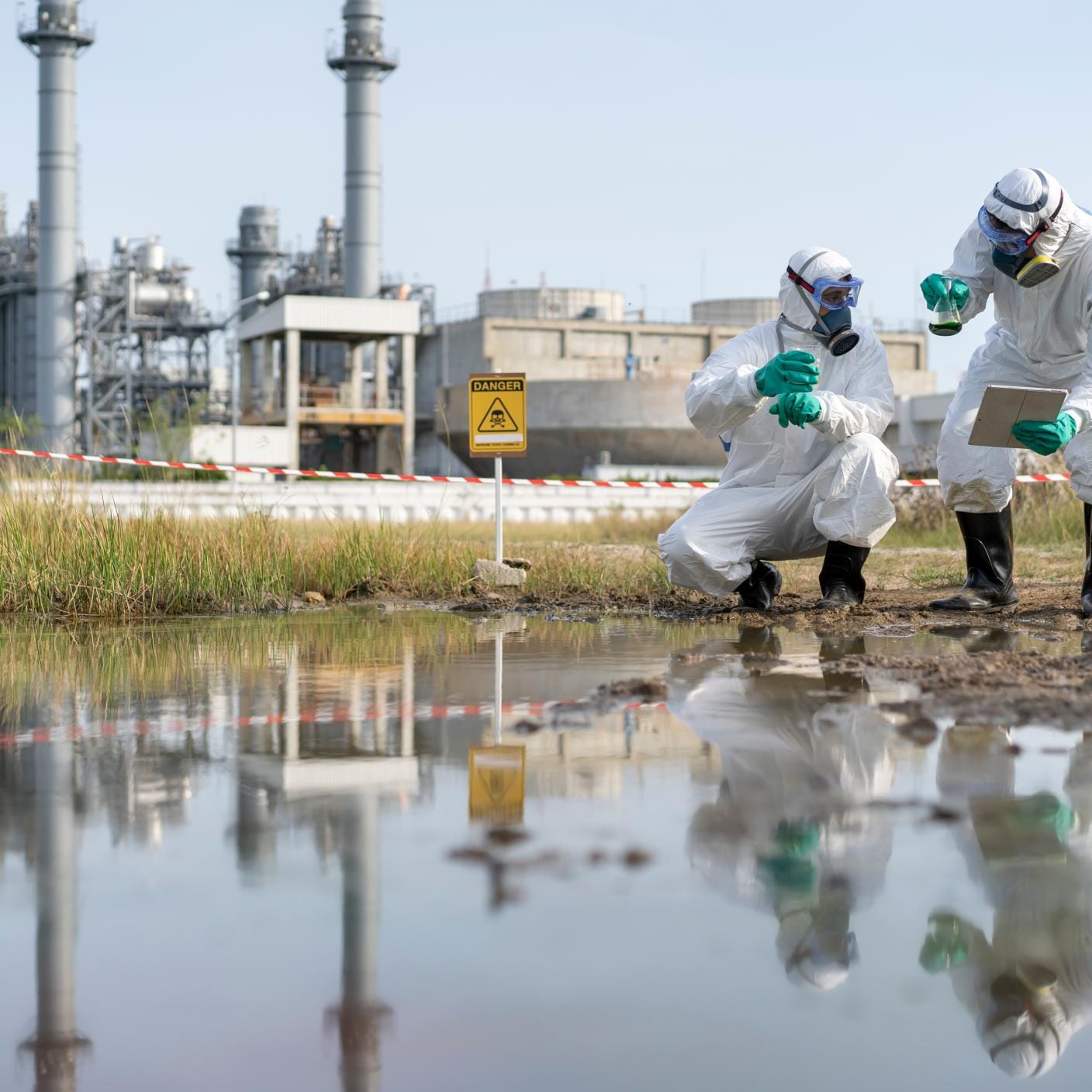
When Washington State's Department of Labor and Industries quietly filed CR-103 on December 27, 2023, it marked the Pacific Northwest's entry into an industrial safety revolution. The rule created a new Part B to chapter 296-67 WAC, specifically applicable to petroleum refineries, and included updates to existing Process Safety Management (PSM) requirements as well as several new requirements, some of which may be onerous for refiners to implement. The effective date for these new regulations was December 27, 2024.
This rulemaking change wasn't regulatory whimsy. Washington's enhanced PSM requirements represent a calculated response to decades of industrial incidents, particularly within the refinery industry, that have demonstrated the limitations of federal-only oversight. The state joined California in recognizing that when it comes to protecting communities from catastrophic chemical releases, federal minimums aren't always enough.
Anatomy of enhancement
The rule is similar to Cal/OSHA's Refinery PSM Regulation, which was amended in 2019 and is one of the most protective chemical accident prevention regulations in the country. But Washington didn't simply copy California's playbook. It crafted its own comprehensive approach that addresses the unique industrial landscape of the Pacific Northwest and incorporates key elements of the Center for Chemical Process Safety's Guidelines for Risk Based Process Safety (RBPS) - a comprehensive compendium of process safety best practices from across industry.
The new requirements read like a masterclass in modern process safety thinking. Damage Mechanism Reviews (DMRs) must be completed for each existing and new covered process for which a damage mechanism exists, with employers completing no less than 50% of initial DMRs by December 27, 2027, and all remaining DMRs by December 27, 2029. This requirement acknowledges what safety professionals have long known: understanding how equipment fails is as important as understanding how it works.
Perhaps most innovative is the state's emphasis on human factors. Employers must implement a written Human Factors Program (HFP) by June 27, 2026, and assess human factors in existing operating and maintenance procedures—50% by December 27, 2027, and 100% by December 27, 2029. This approach recognizes that environmental, organizational, and individual factors influence human performance, which reflects a more sophisticated understanding of how industrial accidents actually occur.
Similar to the Environmental Protection Agency Risk Management Program (RMP) rule, refinery employers must now establish a written PSM program that outlines how each program element will be implemented to address these new regulatory requirements. Prior versions of PSM only required written procedures for specific elements like employee participation, operating procedures, management of change, and mechanical integrity. Employers must also identify which members of the refinery management team are responsible for ensuring compliance with each refinery PSM program element.
Front-line employees play a major role in the ongoing success of a refinery's PSM program alongside managers and leaders. That's why people directly exposed to process safety hazards must be instrumental in establishing and continuously improving effective stop work authority and anonymous hazard reporting procedures. Refineries should have implemented both procedures as of March 27, 2025.
A formal corrective action program ensures that those employees identifying corrective actions stay involved in determining how the facility further defines and implements those actions. This level of transparency and oversight helps ensure the integrity of the corrective action resolution process regardless of the action's origin.
Cultural shift
Washington's requirements extend beyond technical safety measures into organizational culture, territory that federal regulations barely touch. Process Safety Culture Assessment (PSCA) requirements mandate that refinery employers assess their site's process safety leadership efforts as perceived by their employees. Employers must produce the first written report by June 27, 2026, and at least every five years thereafter.
The state also formalizes an expectation for refinery employers to develop, implement, and maintain written procedures to manage organizational changes planned at the site. Organizational changes include reductions in staff levels or changes in shift duration, and require a management of organizational change (MOOC) assessment before implementing any change that could last over 90 calendar days. This requirement acknowledges that organizational disruptions such as staff cuts, restructuring, and shift changes can create safety risks as significant as equipment failures.
Federal baseline vs. state innovation
While EPA's recent Safer Communities by Chemical Accident Prevention (SCCAP) Rule updated federal RMP requirements in March 2024, these changes pale in comparison to state innovations. Federal regulations focus primarily on technical assessments and emergency planning, while states like Washington address the human and organizational factors that often determine whether technical safeguards succeed or fail.
Safety doesn't just depend on equipment and procedures, but on how technology, workers, and management culture work together in practice.
West coast regulatory ecosystem
The emergence of enhanced PSM requirements in Washington creates a regulatory corridor along the West Coast where industrial safety standards significantly exceed federal minimums. This isn't coincidental. These states share similar characteristics that make enhanced oversight logical:
Industrial concentration: The West Coast hosts critical refining infrastructure serving regional markets, often located near major population centers. Washington's refineries supply much of the Pacific Northwest's transportation fuel, creating regional vulnerability that exceeds what individual facility assessments capture.
Environmental sensitivity: The region's environmental consciousness translates into political support for enhanced industrial oversight. Communities that value environmental protection often demand industrial safety standards that reflect those values.
Lessons from experience: While Washington hasn't experienced the high-profile refinery incidents that drove California's regulatory evolution, state officials learned from others' experiences rather than waiting for their own tragedies to occur.
Implementation realities for organizations
Part B to chapter 296-67 WAC went into effect on December 27, 2024, with rolling implementation dates for individual elements thereafter. This staggered approach recognizes the complexity of implementation while maintaining regulatory momentum.
For refineries operating in Washington, these new requirements demand fundamental changes in how they approach process safety management. The emphasis on human factors and organizational culture means compliance can't be achieved through technical modifications alone. It requires genuine transformation of how facilities operate.
The Hierarchy of Hazard Controls Analysis (HCA) requirement perfectly exemplifies this shift. Facilities must update and revalidate HCAs as standalone analyses for PSM covered processes at least once every five years. This moves refineries beyond traditional risk assessments toward systematic evaluation of whether they're using the most effective risk reduction strategies available.
National implications of state leadership
Washington's regulatory innovation reflects a broader trend where states serve as laboratories for advanced process safety management practices. The technical sophistication of these requirements—damage mechanism reviews, human factors programs, and process safety culture assessments—suggests that state regulators are drawing on the latest thinking in safety science and effective best practices as outlined in RBPS rather than simply adding layers to existing federal frameworks.
This state-level innovation often influences federal policy development, as successful state programs demonstrate the feasibility and effectiveness of enhanced requirements. California's pioneering work influenced aspects of the recent federal SCCAP rule, and Washington's approach may similarly shape future federal developments.
New standard for excellence
Washington's enhanced PSM requirements represent a new benchmark for industrial safety excellence. The requirements reflect an understanding that preventing catastrophic incidents requires more than technical safeguards. Organizations must understand risks, manage human performance systematically, and maintain cultures that prioritize safety performance and resist short-term operational pressures.
For the broader industrial community, Washington's approach offers a preview of where process safety management may be heading. As industrial operations become more complex and community expectations continue to rise, the comprehensive approach pioneered by Washington and California may become tomorrow's standard rather than today's exception.