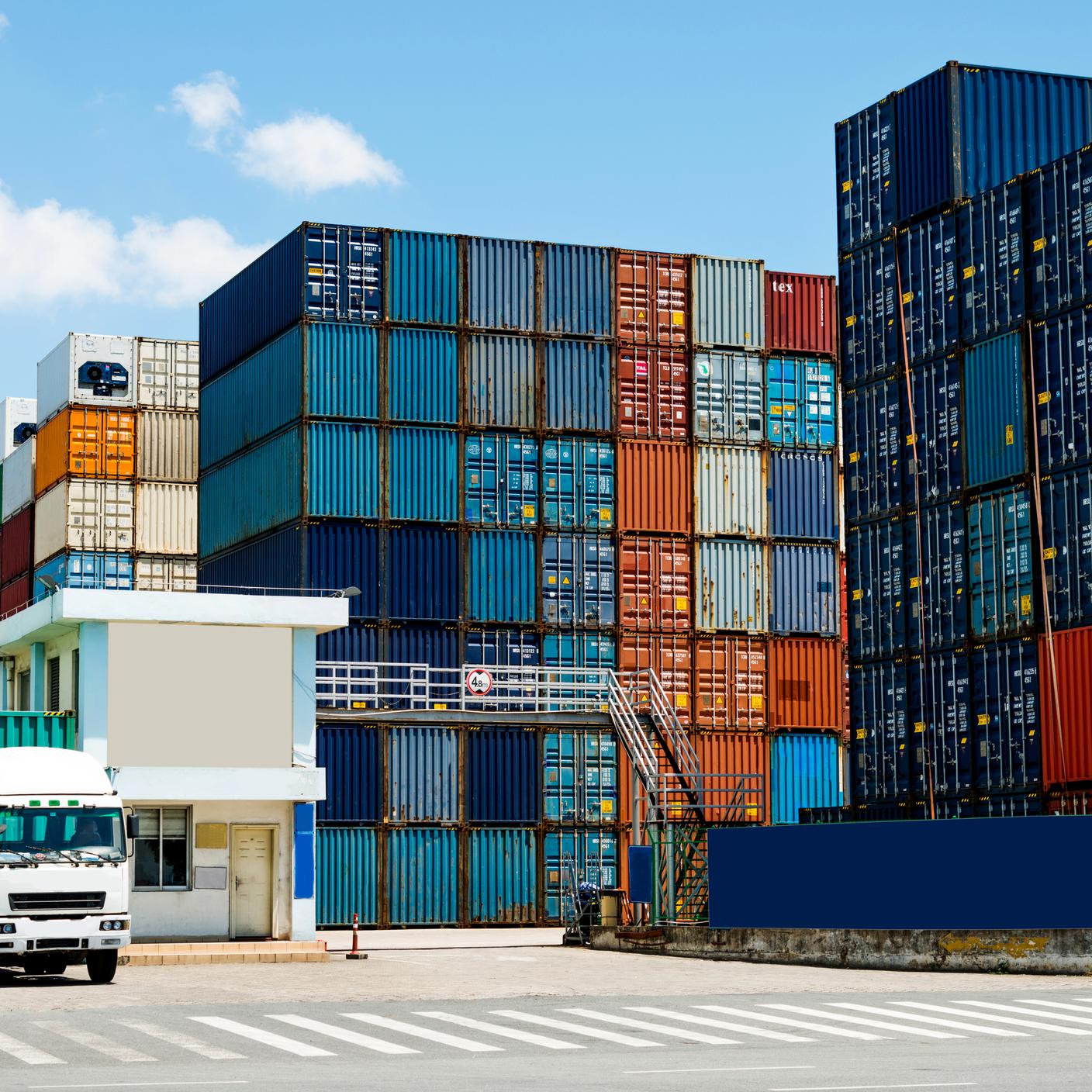
On February 24, 2026, the Trump administration's new global tariffs came into effect. The move marks the most significant escalation in US trade policy yet, imposing a 10% baseline tariff on imports from virtually every country.
Businesses worldwide are seeing the effects of tariffs firsthand, from higher upstream costs to supply chain disruptions. Trading partners that previously faced low or no tariffs, including the UK, parts of South America, and Australia, are among the hardest hit. It's no wonder that 73% of respondents in the National Association of Manufacturers Q1 2025 Manufacturers' Outlook Survey cited trade uncertainties as a top business challenge, a sentiment that has only deepened since. A December 2025 McKinsey survey of global supply chain leaders found that 82% of organizations reported their supply chains were affected by new tariffs, with 20-40% of their supply chain activity impacted in some way.
Meanwhile, specific steel and aluminum tariffs, as well as duties on copper, auto parts, timber, and some semiconductors, remain firmly in place at 25% and 50%. Upstream costs will remain elevated regardless of where companies source final products.
With legal challenges underway, most organizations will pause before making major structural changes. However, the shift toward Southeast Asia, India, and Mexico continues - a trend accelerated not only by tariffs but also by rising wages and tightening labor supply in China. (Read Three major upstream challenges with nearshoring).
Tariff changes can happen with little warning, making real-time supply chain mapping especially important. Mapping means teams can understand what the impacts of tariffs are on the entire network, including:
- Who's affected and who's not.
- When tariffs start.
- How they can minimize the impact of tariffs on their business.
- How tariffs will impact potential sourcing locations.
With that picture clear, organizations can model sourcing options and cost impacts fast. With the United States-Mexico-Canada Agreement (USMCA) due for joint review from July 1, 2026, organizations with North American supply chains should be running those scenarios now.
Five reasons why cross functional collaboration is essential for understanding tariffs
Effectively understanding tariff impacts can’t happen in isolation. It requires insights from multiple departments working together in real time.
Import duties used to be a trade compliance team responsibility, handled separately from day-to-day operations. Now tariff uncertainty demands integration across procurement, supply chain operations, finance, and trade compliance teams to understand supplier locations, export patterns, sourcing flexibility, and cost impacts.
The organizations that are handling tariff changes well are doing five things right now to manage tariff uncertainty and import challenges:
1. Real-time information sharing
With tariffs changing rapidly, teams need immediate visibility, not quarterly updates. Use shared dashboards and recurring touchpoints to ensure everyone receives the same tariff alerts and impact assessments at the same time. This prevents costly decisions based on outdated assumptions.
2. Priority management
Cross functional teams are using simple, shared evaluation criteria to quickly determine which tariff changes demand action. Weigh immediate cost impacts against longer term implications for resilience, sourcing strategy, and overall risk. This allows for fast, informed trade offs when tariffs shift.
3. Stronger cross-team connections
Tariff challenges reveal the weaknesses of traditional departmental boundaries. When procurement understands finance’s cost pressures, and operations understands compliance rules, cross functional teams collaborate more naturally, and far more effectively. This shared understanding speeds up response times when trade tariffs change unexpectedly.
4. Diverse perspectives
Each function sees tariff issues differently:
- Finance quantifies cost exposure.
- Procurement identifies alternative suppliers.
- Operations sees production risks.
- Compliance interprets regulatory obligations.
When teams combine those perspectives, organizations gain a more complete view of the impact of tariffs and can act faster and more confidently.
5. Being adaptable
Leading companies are creating flexible processes designed to respond quickly as new tariffs into effect. These include pre negotiated supplier agreements, proactive scenario planning for different tariff levels, and approval workflows aligned to the speed of trade policy shifts.
Take action now with practical steps to navigate and adapt to evolving tariff challenges.
Looking for help with your trade compliance strategy or responding to new tariff policies? Contact us to learn how we can support your global operations.
Further BSI Consulting resources:
Read Why your supply chain risk management strategy needs a complete overhaul to learn why organizations need to abandon siloed risk management and adopt an enterprise-wide approach to supply chain resilience.