Climate change is often framed as a carbon challenge (think emissions reporting and carbon footprinting), but for environment, health, and safety (EHS) teams, the real story is much bigger. Climate risk shows up in the form of stronger storms, hotter workplaces, stressed infrastructure, and shifting regulatory expectations that directly influence how organizations operate and keep people safe.
From an EHS perspective, climate change is about understanding how new environmental pressures translate into operational disruption, worker exposure, and compliance obligations. The uncertainty of extreme weather, rising temperatures, air quality degradation, and resource constraints affect everything from heat‑stress management and emergency preparedness to chemical storage, process safety, and business continuity.
Below are 10 critical yet overlooked areas where climate change intersects with EHS. Each example connects the dots between climate-driven shifts and real-world risks and highlights opportunities to build climate resilience into your EHS strategy.
Does climate impact...
1. Hazardous waste management?
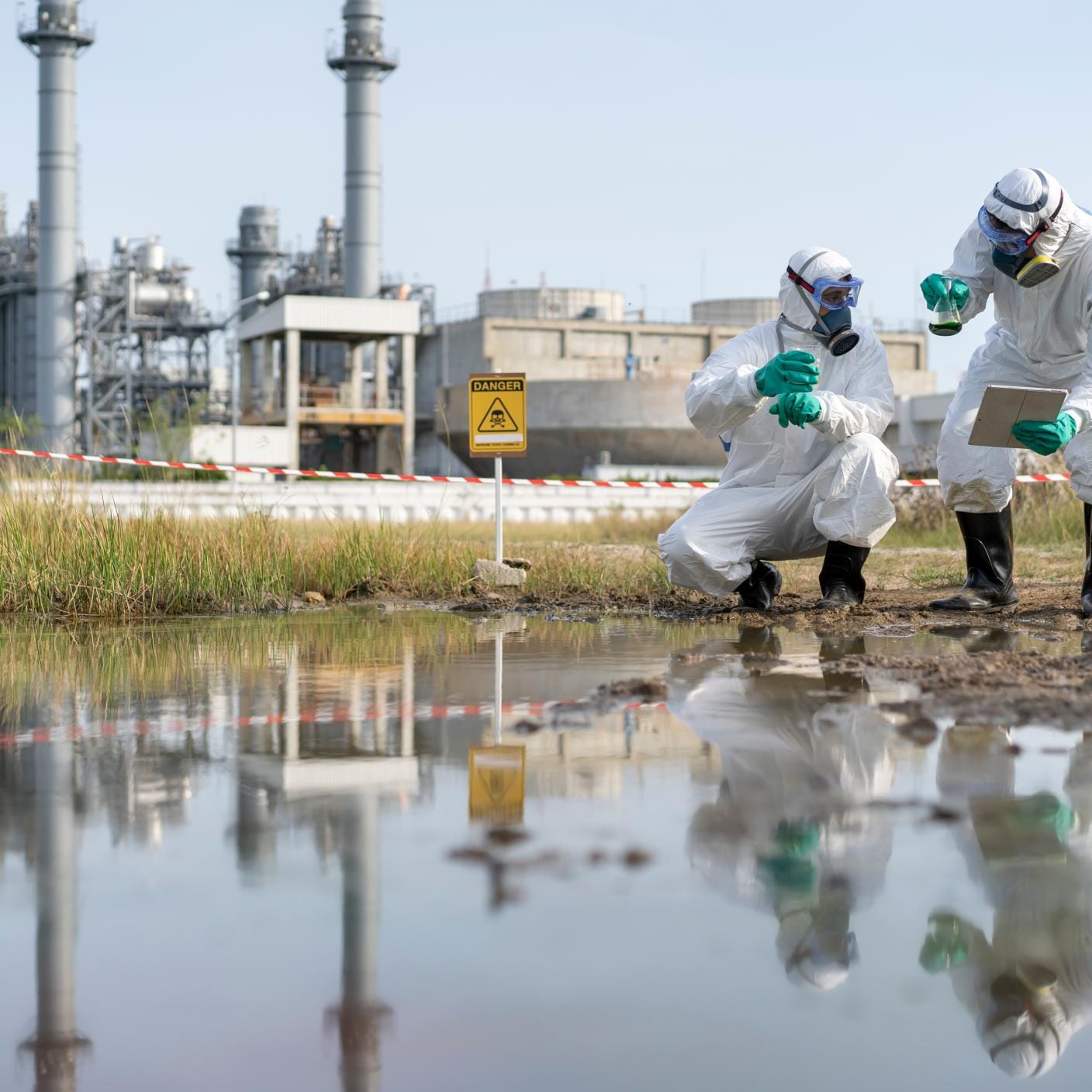
Climate‑driven floods, hurricanes, and wildfires can damage hazardous waste storage areas, leading to leaks, soil and water contamination, and regulatory violations. Integrating climate resilience into hazardous waste handling and storage helps prevent releases, reduce cleanup liability, and ensure continuity during and after extreme events.
2. Chemical storage?
Rising temperatures and prolonged heat events can destabilize stored chemicals, increasing the likelihood of container expansion, vapor release, corrosion, and even explosions. Power outages during heat waves also compromise cooling systems. Climate‑aware chemical storage plans reduce the risk of heat‑sensitive reactions and strengthen compliance with process safety requirements.
3. Stormwater and wastewater systems?
More intense rainfall and flooding overwhelm treatment systems, increasing the risk of discharges, National Pollutant Discharge Elimination System (NPDES) violations, costly remediation, and reputational damage. Risk assessments with integrated climate modeling can help inform design upgrades to increase system capacity and strengthen infrastructure.
4. Worker health and safety?
Heat stress, wildfire smoke, poor air quality, and severe storms all pose growing risks to worker health. These exposures affect productivity, absenteeism, and Occupational Safety and Health Administration (OSHA) compliance. Reduce harm through updated training, revised shift schedules, enhanced personal protective equipment (PPE), and emergency procedures that protect indoor and outdoor workers.
5. Indoor air quality and HVAC systems?
Longer heat waves and persistent wildfire smoke strain heating, ventilation, and air-conditioning (HVAC) systems and degrade indoor air quality, particularly in older facilities. Poor ventilation allows pollutants to accumulate, compromising worker safety, and can push facilities out of compliance with occupational health standards.
6. Supply chain continuity?
Climate‑driven disruptions such as washed‑out roads, port closures, transportation delays, and raw material shortages can cascade through supply chains. Mapping climate vulnerabilities across suppliers and logistics routes, along with diversifying sourcing, helps organizations prevent production outages and protects the people supporting your operations.
7. Site safety during extreme events?
Floods, wildfires, and hurricanes threaten more than physical structures. They can trigger chemical releases, electrical hazards, explosions, mold growth, and debris‑related contamination. Sites left unsecured after an event are also vulnerable to theft and vandalism.
8. Emergency preparedness and business continuity?
Many emergency and continuity plans rely on outdated weather patterns and/or historical flood maps that no longer reflect current risk. Incorporating predictive climate modeling ensures your emergency plans account for today’s realities, not yesterday’s risks.
9. Regulatory compliance and reporting?
Climate adaptation is no longer a voluntary environmental, social, and governance (ESG) “add on” but is increasingly embedded in mandatory financial and regulatory expectations. Under Task Force on Climate-related Financial Disclosures (TCFD)-aligned global and regional frameworks such as California’s Senate Bill (SB) 261 and the European Union’s Corporate Sustainability Reporting Directive (CSRD), organizations are increasingly required to do more than just disclose risks. They must plan, implement, and report on specific adaptation and mitigation measures designed to reduce those risks.
From an enterprise risk management (ERM) perspective, failing to demonstrate a robust transition plan is a significant risk that can lead to litigation, fiduciary breaches, and a higher cost of capital. Shifting from reactive compliance to proactive, actionable resilience ensures that climate-related liabilities are actively managed within your risk appetite and financial reporting.
10. Insurance, valuation, and fiduciary risk?
The financial impact of climate change is felt most acutely through the contraction of risk transfer capacity and the subsequent devaluation of assets. As insurers restrict terms, raise deductibles, or withdraw coverage entirely from high-risk zones, organizations face a mandatory shift toward risk retention, creating significant liquidity and credit risks. This can lead to “stranded assets” that are no longer economically viable to operate or protect. Furthermore, investors and institutional lenders now scrutinize physical and transition climate resilience as core components of long-term value assessments and fiduciary responsibility. Inaction translates directly into balance sheet volatility, an increased cost of capital, and lasting reputational damage in the eyes of stakeholders.
Climate risk has transitioned from a static reporting requirement to a systemic driver of operational and financial volatility. Managing this shift requires integrating climate intelligence directly into ERM and business continuity planning. By aligning physical risk mitigation with proactive adaptation, organizations secure long-term asset viability and fiduciary standing in an increasingly volatile landscape.
---------
Why BSI Consulting
BSI Consulting helps organizations move from understanding climate risks to acting on them. Our integrated 360-degree approach brings together forward‑looking climate modeling, deep EHS expertise, and practical resilience planning. We translate complex climate signals into clear, actionable strategies that strengthen safety, protect operations, and support long‑term business continuity.
Meet our climate resilience and business continuity planning experts:
Gouri Ganbavale, PhD, Senior Consultant specializing in climate science – Gouri has 15 years of experience in climate risk assessments, ESG analysis, carbon credits, energy policies, and greenhouse gas (GHG) accounting.
Paul Raw, Senior Consultant specializing in enterprise risk and resilience – Paul has over 20 years of experience developing and implementing business continuity programs globally, including strategic prevention, mitigation, preparedness, response, and recovery planning.
David Blacksberg, Senior Consultant specializing in business continuity – David has more than 25 years of experience in business continuity and emergency management program development.