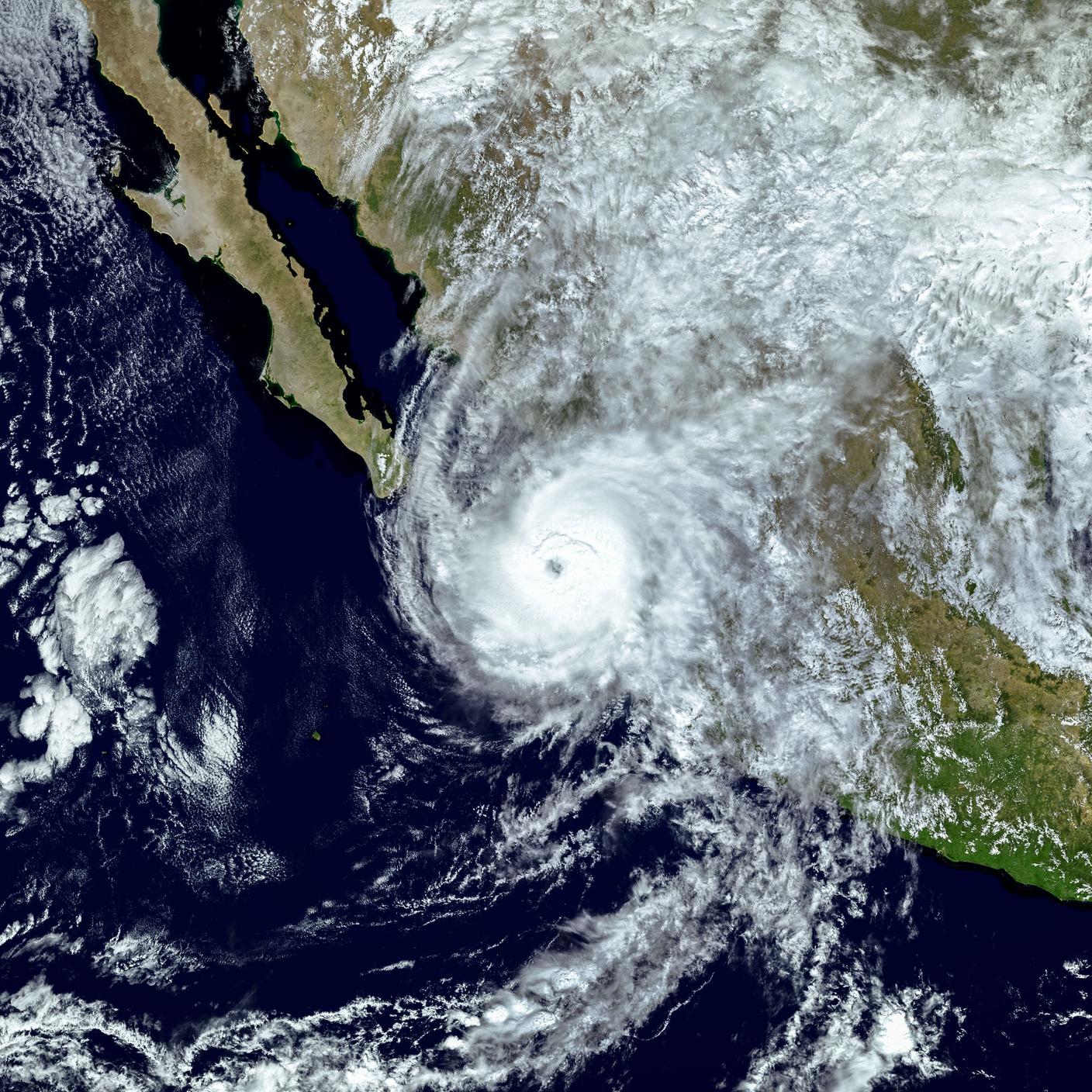
A historic winter storm pummeled the US East Coast this week, delivering record-breaking snowfall and severe disruptions across a 600-plus-mile stretch of the Eastern Seaboard. More than 40 million people from Maryland to Maine were under blizzard warnings as Winter Storm Hernando, already among the most intense East Coast snowstorms on record, dumped 2 feet of snow in parts of New York and New England. Governors in eight states declared states of emergency, and travel bans brought road and rail transportation to a standstill. Major airports from Washington, DC, to Boston were virtually shut down, with more than 10,000 flights canceled nationwide in just three days. Meanwhile, the blizzard’s ferocious winds (gusting nearly 100 miles per hour on Cape Cod) ripped down trees and power lines, leaving more than half a million customers in the dark amid frigid single-digit wind chills. The toll on infrastructure and business was widespread as countless schools and offices closed, supply routes were disrupted, and millions of employees hunkered down at home.
"Extreme weather events like Hernando expose gaps that organizations didn’t even realize they had. Preparedness is about building systems resilient enough that it doesn’t matter when the next event comes.”— David Blacksberg, MPH, CBCP, LSSBB, NEMAA, Senior Consultant, Business Continuity
From one extreme to another
Beyond the headline-grabbing snowfall totals and viral photos of buried cities, Winter Storm Hernando is a stark reminder of how quickly extreme weather can bring business operations to a halt. When a blizzard shuts down offices, roads, and airports, the cost isn’t only measured in lost revenue; it’s measured in employee safety, customer trust, and brand reputation. Below are five immediate business continuity steps organizations can take in the wake of this storm to be ready before the next one hits:
1. Update and test emergency plans:
Dust off your emergency response and business continuity plans and ensure that they cover extreme weather scenarios. Define clear triggers for activating remote work protocols, backup information technology (IT) systems, and communications cascades. Don’t assume your last plan covers a “bomb cyclone” (blizzard); review and rehearse your plans with specific objectives and realistic extreme-weather drills, so employees know their roles (read Practice Makes Permanent: Prioritizing emergency drills and exercises for effective business continuity).
2. Conduct a climate risk assessment:
If you haven’t already, perform a thorough climate risk assessment for your operations and supply chain. Identify which facilities, suppliers, and routes are most exposed to hazards like storms, floods, and power outages. Use tools (including historical data and forward-looking climate models) to map out “what-if” scenarios. Knowing your vulnerabilities is the first step to mitigating them, whether that means installing backup power generators at a key site or sourcing alternate suppliers outside high-risk zones (read Ten Overlooked Ways Climate Change Impacts EHS).
3. Strengthen supply chain resilience:
The blizzard’s impact on transportation has been nothing short of miserable for everyone from commuters to distributors. Build redundancy by diversifying suppliers and logistics routes and maintain safety stocks of critical materials in different regions. Ensure that you have a clear line of sight into second- and third-tier suppliers so that if a major hub (like a port, airport, or interstate corridor) is closed, you can reroute shipments and still meet customer commitments. Real-time monitoring and good relationships with suppliers will help you anticipate disruptions and adapt quickly (read The Significance of Supply Chain Resilience).
4. Invest in resilient infrastructure:
Extreme snowfall and wind can disrupt power, physical facilities, and communications for days. Organizations should invest proactively in climate-resilient infrastructure like backup power systems, hardened IT networks, and physical plant improvements (e.g., roof reinforcements, flood barriers, upgraded drainage). These investments harden your operations against severe weather and can dramatically reduce downtime. Many companies are also exploring onsite renewable energy and battery storage to maintain power when the grid goes down.
5. Prioritize people and communication:
Above all, employee safety and transparent communication should be your top priority. Develop plans for duty of care during disasters—for example, procedures to quickly locate traveling staff and ensure they’re safe or temporary shelter and assistance for those affected by a crisis. Establish clear communication channels (via multiple mediums since internet/cell service may falter) to keep employees, customers, and partners informed. Leaders should be visible and reassuring: let stakeholders know you have a plan, are responding proactively, and how you’ll recover. A well-handled response can actually strengthen your reputation, showing that your organization can weather the storm.
“Climate risks are evolving and intensifying, often outpacing annual planning cycles. If businesses don’t consider future climate scenarios now, they risk avoidable impacts later. Understand your risks, prepare for multiple hazards, and act early so proactive readiness, not reactive response, determines your downtime.” — Gouri Ganbavale, PhD, Senior Consultant, Climate Science
Prepare for impact
Nobody can control the weather, but we can control how we prepare for it. The experiences of this record-smashing blizzard should galvanize leaders in both climate risk management and business continuity roles to double down on readiness for extreme weather.
Meet our climate resilience and business continuity planning experts:
Gouri Ganbavale, PhD, Senior Consultant specializing in climate science: Gouri has 15 years of experience in climate risk assessments; environmental, social, and governance (ESG) analysis; carbon credits; energy policies; and greenhouse gas (GHG) accounting.
Paul Raw, Senior Consultant specializing in enterprise risk and resilience: Paul has more than 20 years of experience developing and implementing business continuity programs globally, including strategic prevention, mitigation, preparedness, response, and recovery planning.
David Blacksberg, Senior Consultant specializing in business resilience: David has more than 25 years of experience in business continuity and emergency management program development.
Learn more:
2- Business continuity and emergency response guide: Navigate unprecedented challenges with confidence