The built environment is undergoing a significant digital transformation driven by the alignment of Building Information Modelling (BIM), Artificial Intelligence (AI) and the growing capabilities of modern data centres. For engineers, architects and facility managers, this shift marks an opportunity to move from standalone digital tools to an integrated ecosystem that strengthens decision-making, improves efficiency and enhances asset value across the full lifecycle. As sustainability expectations rise and operational performance pressures increase, understanding how these technologies interact is becoming essential.
BIM sits at the core of this ecosystem by providing the standards and frameworks that define how information is requested, created, shared and managed across multiple disciplines. Rather than acting as a static record of design intent, information becomes a dynamic, coordinated dataset that evolves throughout the asset's life. Standards such as ISO 19650 formalise this approach by setting out the processes for collaborative information management and encouraging structured, machine-readable data.
For architects and engineers, this supports consistent geometry, specifications and performance requirements. For asset and facility managers, this becomes the digital reference that underpins maintenance, planning and cost forecasting through the Asset Information Model (AIM).
How AI Elevates Information Modelling Across the Lifecycle
AI strengthens the information model by transforming structured data into actionable insight. During design, AI can analyse spatial relationships, building systems and performance parameters embedded within models to propose optimised outcomes. Engineers benefit from AI's ability to detect clashes, identify structural or MEP inconsistencies and highlight compliance risks before they escalate.
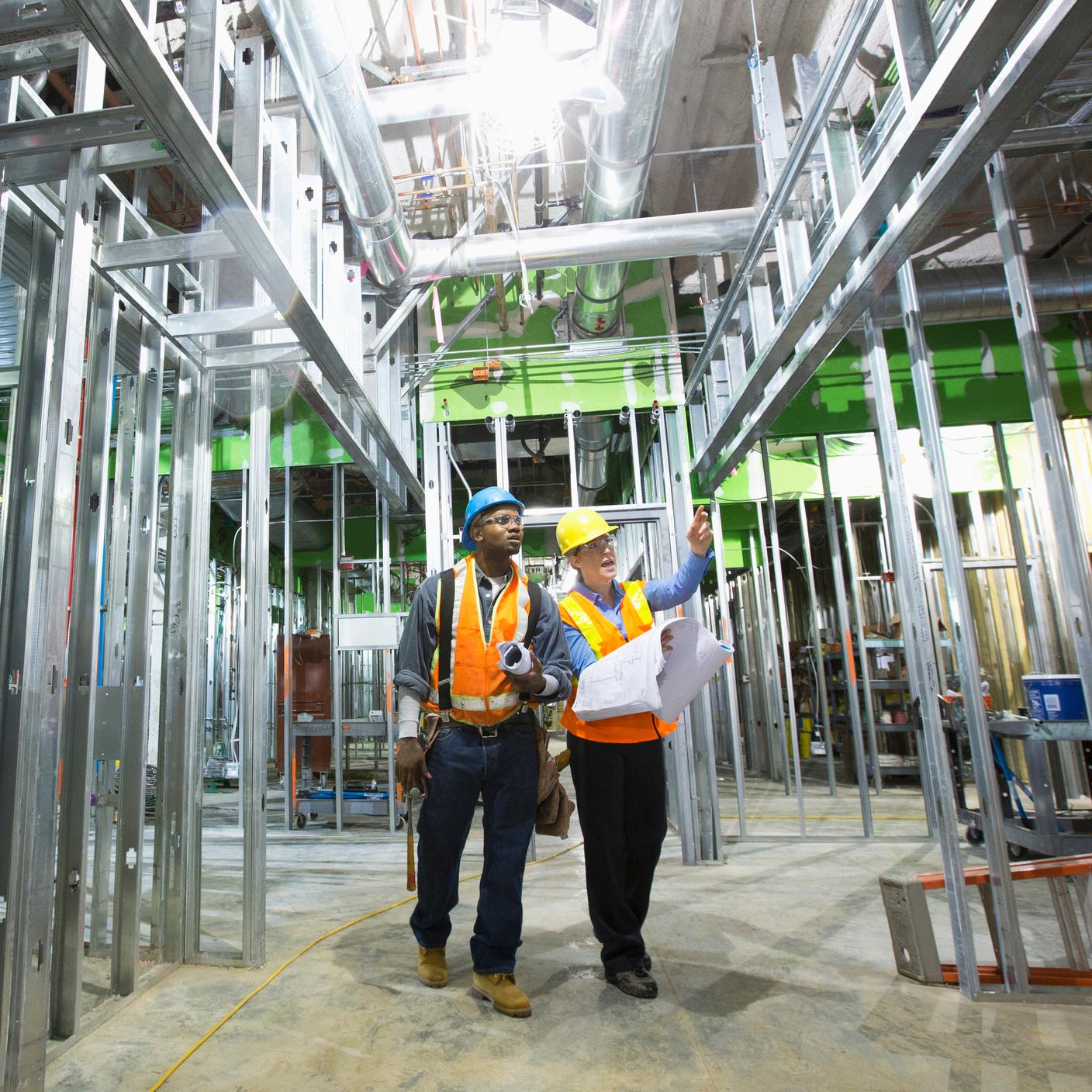
On construction sites, the connection between AI and the information model becomes increasingly tangible. Computer vision and drone-captured data can be compared automatically against the model, identifying deviations in real time. Insights from the McKinsey Global Institute suggest that AI-enabled progress monitoring has the potential to reduce schedule overruns, supporting project teams with clearer, faster progress intelligence. Once an asset enters operation, AI uses the information model as a foundation for a digital twin, an evolving digital counterpart of the built asset. Sensor data from equipment and building systems feeds AI algorithms capable of detecting anomalies, predicting faults and recommending energy-efficient adjustments. According to the International Facility Management Association (IFMA), AI-driven predictive maintenance can reduce unplanned downtime and significantly lower lifecycle costs. This provides facility managers with enhanced capability to balance performance, safety, sustainability and budget while maintaining regulatory compliance and occupant comfort.
The Critical Role of Data Centres in Enabling Scalable Digital Workflows
While BIM and AI provide structure and intelligence, their effectiveness depends on the computational power and resilience of modern data centres. Large-scale information models, real-time digital twins and AI workloads exceed the capacity of traditional on-premises infrastructure. Data centres provide the scalable processing, storage and network performance required to support these demands.
Cloud-based information modelling environments use data centre resources to enable real-time collaboration between multidisciplinary teams. High-performance computing tasks such as structural simulation, generative design and energy modelling rely on specialised compute clusters hosted within secure, high-availability data centres. As AI becomes more deeply embedded across design, construction and operations, data centres increasingly form the backbone of digital asset management.
Together, BIM, AI and data centres create an interdependent digital ecosystem, with structured and interoperable information forming the foundation. AI interprets and enhances this data to provide insight, prediction and optimisation. Data centres ensure these capabilities remain stable, fast and scalable. For architects, this supports more robust design decisions. For engineers, it enables richer simulation and analysis. For facility managers, it transforms buildings into responsive, self-optimising assets.
Looking ahead, this integration will continue to accelerate. The European Commission's 2023 Digital Strategy highlights the need for secure, sustainable and scalable digital infrastructure to enable future smart building ecosystems. As digital twins progress toward greater autonomy and operational data becomes more granular, data centres will play an increasingly strategic role in supporting resilience and performance. Ultimately, the convergence of information modelling, AI, and advanced digital infrastructure is not simply enhancing today's workflows. It is redefining how assets perform, adapt and deliver value over decades of use.
Preparing Professionals for a Digitally Integrated Future
To help organisations prepare for the future, BIM ISO 19650 qualifications support design, construction, operations professionals and clients in effectively implementing Building Information Modelling (BIM) standards. The training covers everything from core principles to project delivery and operational management, including information exchange processes, security, and health and safety within BIM workflows. These internationally recognised certifications enable individuals and teams to validate their BIM expertise, strengthen collaboration, and improve overall project efficiency.
In addition, BSI's AI training courses help individuals build a strong foundation in AI fundamentals, navigate risk, ethics, and governance, and apply AI responsibly with trust, transparency, and real-world impact.